
Behavioral Disorders

Plus signs

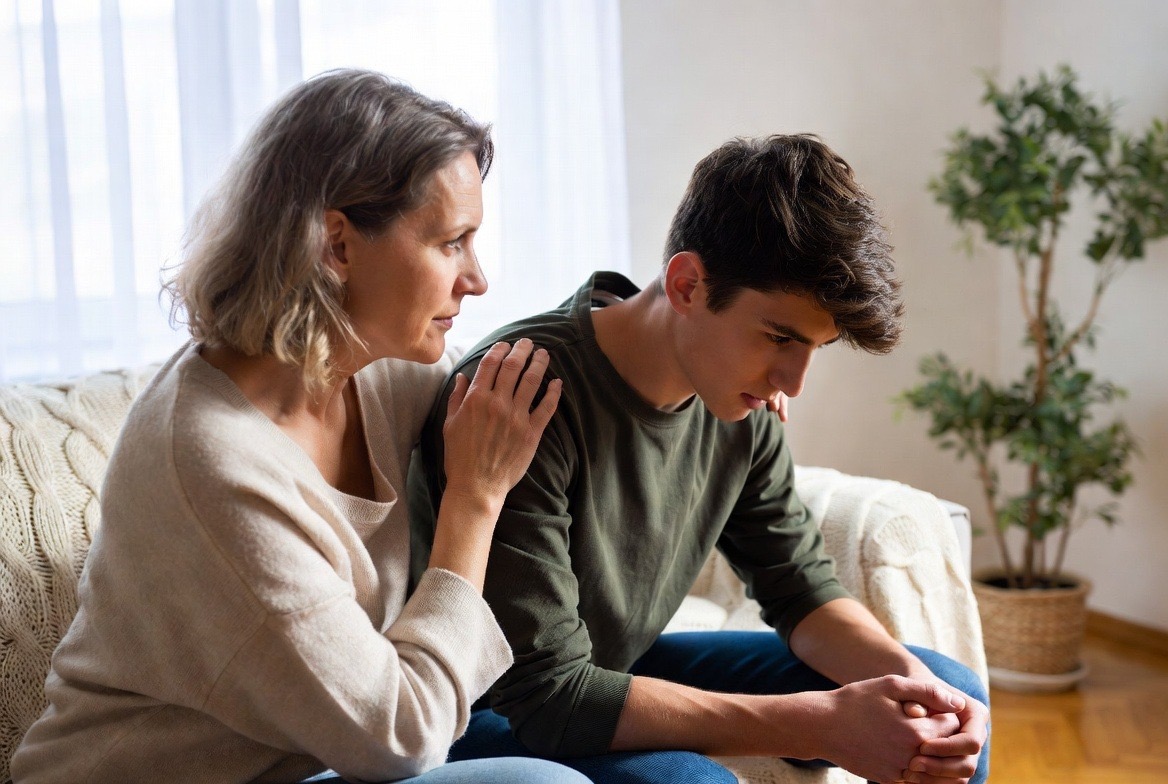
Behavioral disorders refer to a group of disorders with symptoms that include various behavior problems. According to the National Institute of Mental Health, emotional and behavioral disorders affect around 13 percent of American children. However, children who are not treated may continue to suffer from behavioral disorders into adulthood. Consequently, their jobs and relationships may be affected.

What are Behavioral Disorders?

Behavioral disorders, also known as disruptive behavioral disorders, include a variety of disorders that manifest as child behavior issues. These behavioral problems typically involve a pattern of disruptive behaviors at school, at home, and in social situations, lasting for at least six months. Behavioral issues are the most common reason that parents seek mental health assessments and treatment for their children or teens.

The two most prevalent behavioral disorders are Oppositional Defiant Disorder (ODD) and conduct disorder. Additionally, other associated disorders include Attention Deficit Hyperactivity Disorder (ADHD), anxiety disorders, dissociative disorders, emotional disorders, and pervasive developmental disorders. The symptoms of behavioral disorders include inability to concentrate, hyperactivity, impulsivity, defiant behavior, aggression, self-isolation due to fear or anxiety, temper tantrums, and learning difficulties. Moreover, in teens, behavioral disorders may result in substance use risky behavior, and criminal activity.

Experts believe that behavioral disorders are caused by a combination of biological, psychological, and environmental factors. One effective treatment method is behavioral family therapy, in which the family learns how to support the child’s well-being and mental health. Furthermore, Cognitive Behavioral Therapy, social skills training, and anger management therapy are also helpful for children and teens suffering from behavioral disorders.

Sources: National Institute of Mental Health, Council for Children with Behavioral Disorders, Substance Abuse and Mental Health Services Administration 

It's Time to Make a Change

We Can Help You on Your Path to Mental Wellness

A troubled teen sitting on the floor, hands tightly holding their knees together, showing signs of emotional distress and self-harm.

6 Warning Signs of Self-Harm in Teens That Parents Should Know

Key Takeaways Self-harm often happens in secret, so parents need to watch for unexplained cuts, bruises, or burns (typically on the arms, thighs, or stomach), along with frequent unusual scarring patterns that don’t match your teen’s explanations. Behavioral and emotional

A teenager using a vape device, illustrating the vaping habit parents may notice in their child

How to Help a Teen Quit Vaping: Advice & Tips for Parents

Key Takeaways Understand why teens vape in the first place, whether it’s peer pressure, stress relief, curiosity, or nicotine addiction. Identifying the root cause is what makes quitting stick. Start with an open, non-judgmental conversation where you listen to your

A parent talking to a teenager about staying away from alcohol

How to Prevent Teen Drinking: 7 Things Parents Can Do

Key Takeaways Start conversations about alcohol early and often, using age-appropriate language to discuss the risks, peer pressure, and your family’s expectations. Ongoing dialogue is far more effective than a one-time talk. Model healthy behavior at home. Teens are more