
Meditation

Plus signs

Meditation is a powerful tool for enhancing teen mental health. In fact, a meditation study at Johns Hopkins University found that almost all types of meditation were as effective as pharmaceutical antidepressants for the symptoms of anxiety and depression. Measurements using magnetic resonance imaging (MRIs) show that meditation can alter neural activity in a positive way, promoting well-being and optimism.

What Is Meditation?

Meditation is a mind/body practice that has been shown to reduce stress and promote happiness. Additionally, it can increase empathy and improve concentration. Moreover, the benefits include increasing calmness, fostering psychological balance, and enhancing overall well-being. By decreasing rumination and boosting attention, a practice helps reduce emotional reactivity while strengthening emotional resilience.

Most types include four common elements. These are:

  • quiet location in which to meditate;
  • specific, comfortable posture;
  • focus on the breath, or on a chosen word or image;
  • an open attitude, free of judgment and self-criticism.

Furthermore, it is free and accessible to all. Also, as with any practice, making it a regular routine will increase the benefits of meditation. Eastern religions have used the practice as a means of realizing spiritual enlightenment. However, it has been shown today to be useful for almost anyone willing to try to meditate.

Sources: National Center for Complementary and Integrative HealthThe New York TimesBetter Health Channel

It's Time to Make a Change

We Can Help You on Your Path to Mental Wellness

Close-up view of a troubled teen deep in thought

9 Warning Signs of Suicidal Thoughts in Teens

Key Takeaways Warning signs of suicidal thoughts in teens are often visible before a crisis, including withdrawal from family and friends, sudden mood or behavior changes, talking about feeling hopeless or being a burden, or giving away prized possessions. Pay

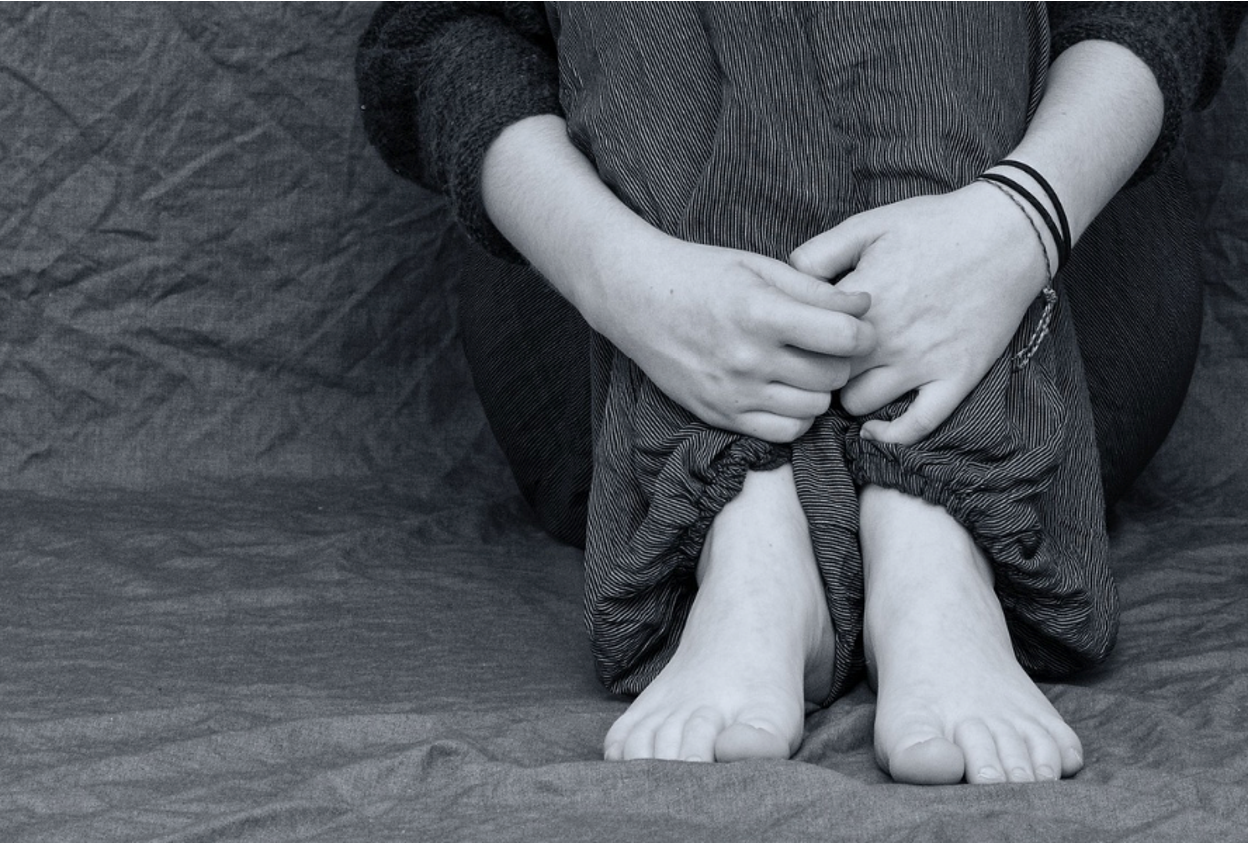
A troubled teen sitting on the floor, hands tightly holding their knees together, showing signs of emotional distress and self-harm.

6 Warning Signs of Self-Harm in Teens That Parents Should Know

Key Takeaways Self-harm often happens in secret, so parents need to watch for unexplained cuts, bruises, or burns (typically on the arms, thighs, or stomach), along with frequent unusual scarring patterns that don’t match your teen’s explanations. Behavioral and emotional