
Mood Disorder

Plus signs

Mood disorders are common in the teen years. Adolescence is a time of turbulence and strong emotions. These changes in mood might seem to appear overnight, and they might disappear just as quickly. Often, moodiness is a normal part of the teen years. However, if extreme mood changes persist and worsen, it’s possible that a teenager may be suffering from a mood disorder.

What is a Mood Disorder?

Mood disorders are a category of mental illnesses that are characterized by significant changes in mood. There are many different mood disorder types. The list of mood disorders includes major depressive disorder, dysthymia, bipolar disorder, cyclothymia (a mild form of bipolar disorder), and seasonal affective disorder. Another type of mood disorder is episodic mood disorder, an episode of depression or mania that can come on suddenly and sometimes completely disappear.

Symptoms of mood disorders are similar to symptoms of all types of depressive disorders. Emotional symptoms include suicidal thoughts or suicide attempts, feelings of worthlessness and hopelessness, anxiety, and pessimism. Physical symptoms may include decreased energy, digestive issues, loss of appetite or overeating, and excessive sleeping or insomnia. A mood disorder can also manifest as manic behavior—such as agitation, excessive energy, impulsive actions, and rapid speech.

Medical professionals are more aware of the risks of untreated mood disorders in teens than in previous decades. They have learned to tailor mental health treatment to meet the needs of teens. This means that parents of teens with mood disorders have more treatment options available than ever before.

It's Time to Make a Change

We Can Help You on Your Path to Mental Wellness

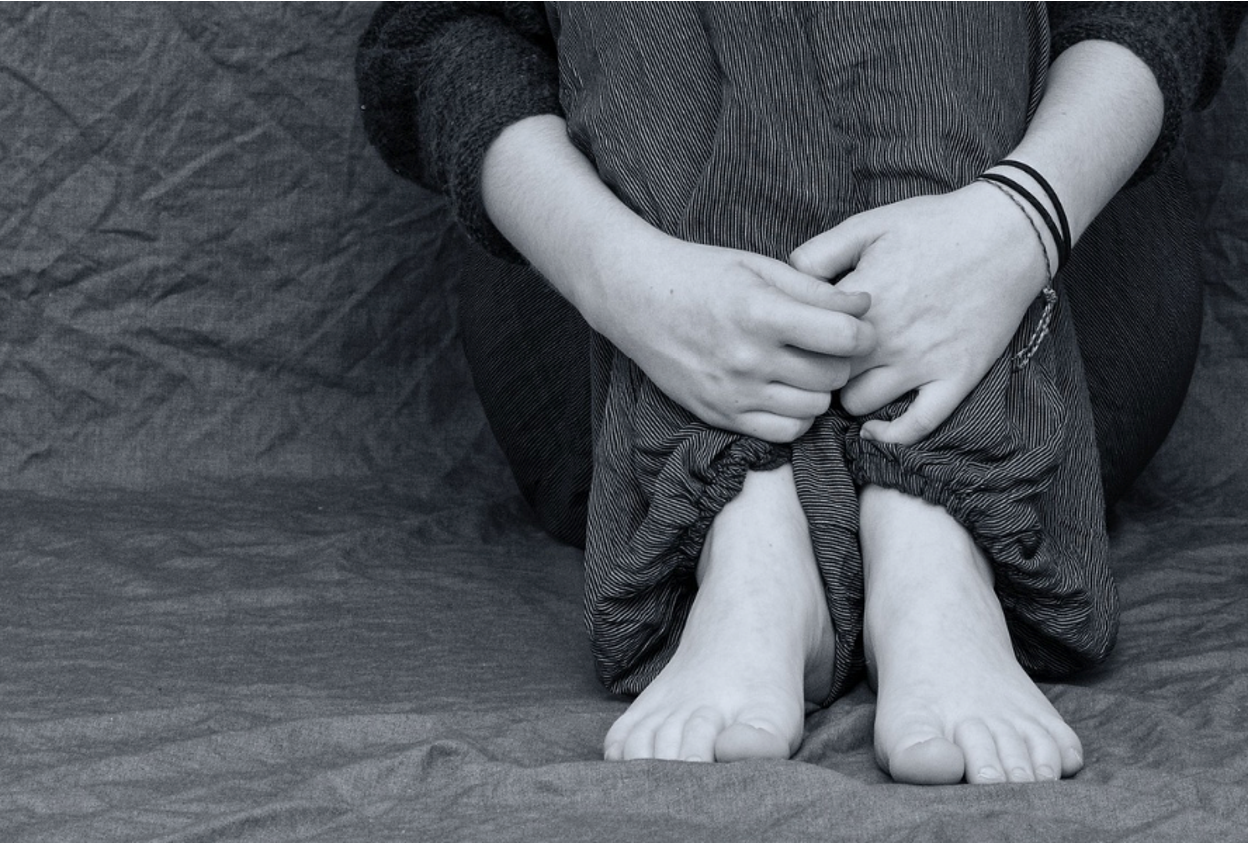
A troubled teen sitting on the floor, hands tightly holding their knees together, showing signs of emotional distress and self-harm.

6 Warning Signs of Self-Harm in Teens That Parents Should Know

Key Takeaways Self-harm often happens in secret, so parents need to watch for unexplained cuts, bruises, or burns (typically on the arms, thighs, or stomach), along with frequent unusual scarring patterns that don’t match your teen’s explanations. Behavioral and emotional

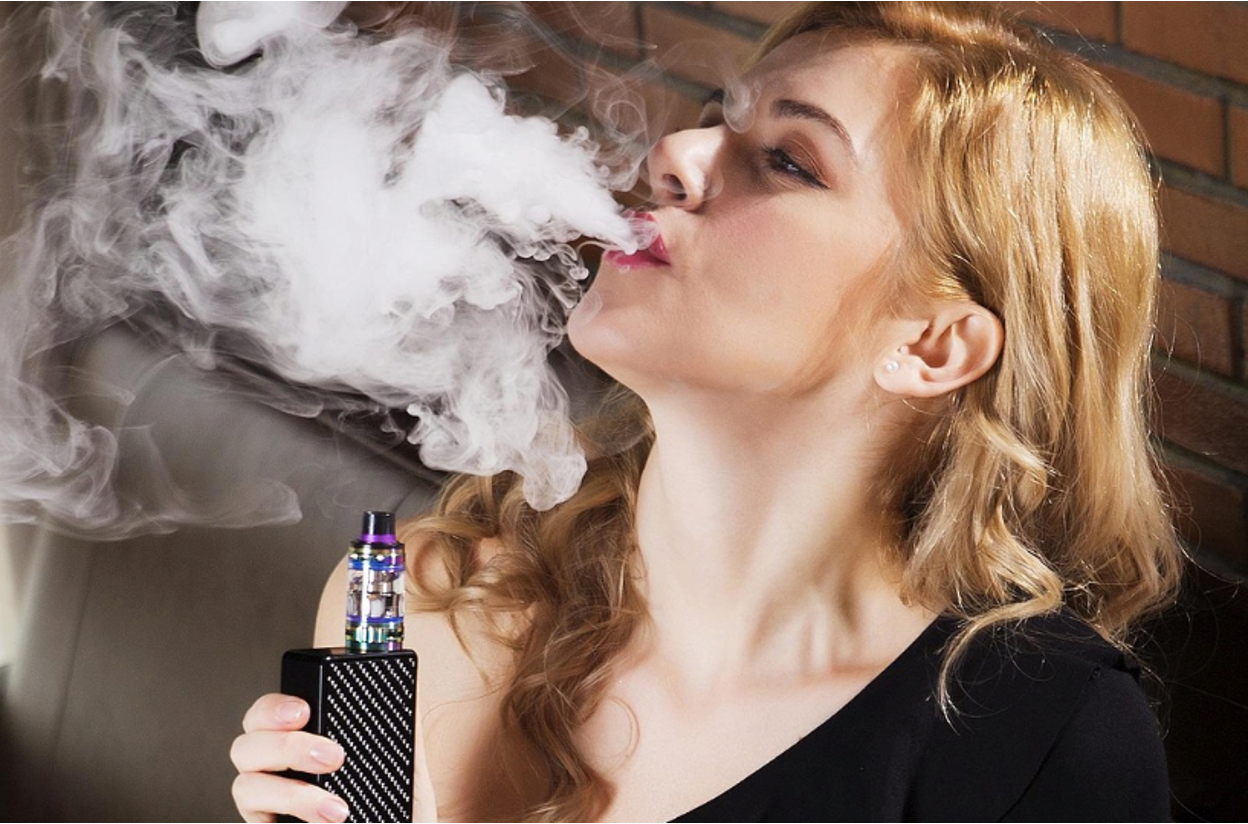
A teenager using a vape device, illustrating the vaping habit parents may notice in their child

How to Help a Teen Quit Vaping: Advice & Tips for Parents

Key Takeaways Understand why teens vape in the first place, whether it’s peer pressure, stress relief, curiosity, or nicotine addiction. Identifying the root cause is what makes quitting stick. Start with an open, non-judgmental conversation where you listen to your

A parent talking to a teenager about staying away from alcohol

How to Prevent Teen Drinking: 7 Things Parents Can Do

Key Takeaways Start conversations about alcohol early and often, using age-appropriate language to discuss the risks, peer pressure, and your family’s expectations. Ongoing dialogue is far more effective than a one-time talk. Model healthy behavior at home. Teens are more