
Phobias and Fears

Plus signs

Phobias and fears are relatively common disorders, and a comprehensive list of phobias would be quite extensive. According to the National Institute of Mental Health, more than 10 million American adults suffer from a phobia.

What is Phobia?

A phobia is defined as an extreme irrational fear of or aversion to something that poses little or no actual danger. Such phobias and fears are classified as anxiety disorders. Thus, the negative consequences of phobias include panic attacks; physical symptoms, such as cold sweats and a racing heartbeat; and avoidance behaviors, in which the focus of phobia is shunned or eluded.

of phobia is shunned or eluded.

The most common phobias include fear of spiders (arachnophobia), fear of enclosed spaces (claustrophobia), fear of people (anthropophobia), and fear of open places (agoraphobia). Furthermore, a comprehensive list of phobias includes more obscure types, such as fear of beards (pogonophobia), fear of the navel (omphalophobia), and fear of rain (ombrophobia).

Arising in children or teens, most phobias and fears continue into adulthood. The causes of specific phobias are not known, but they can run in families. By using fear-reduction techniques that escalate to phobia exposure, Cognitive Behavioral Therapy can effectively treat phobias. Moreover, in the early stages of therapy, pharmaceutical medications can help as well.

Sources: Oxford DictionaryAmerican Psychological AssociationMentalHealth.Gov

It's Time to Make a Change

We Can Help You on Your Path to Mental Wellness

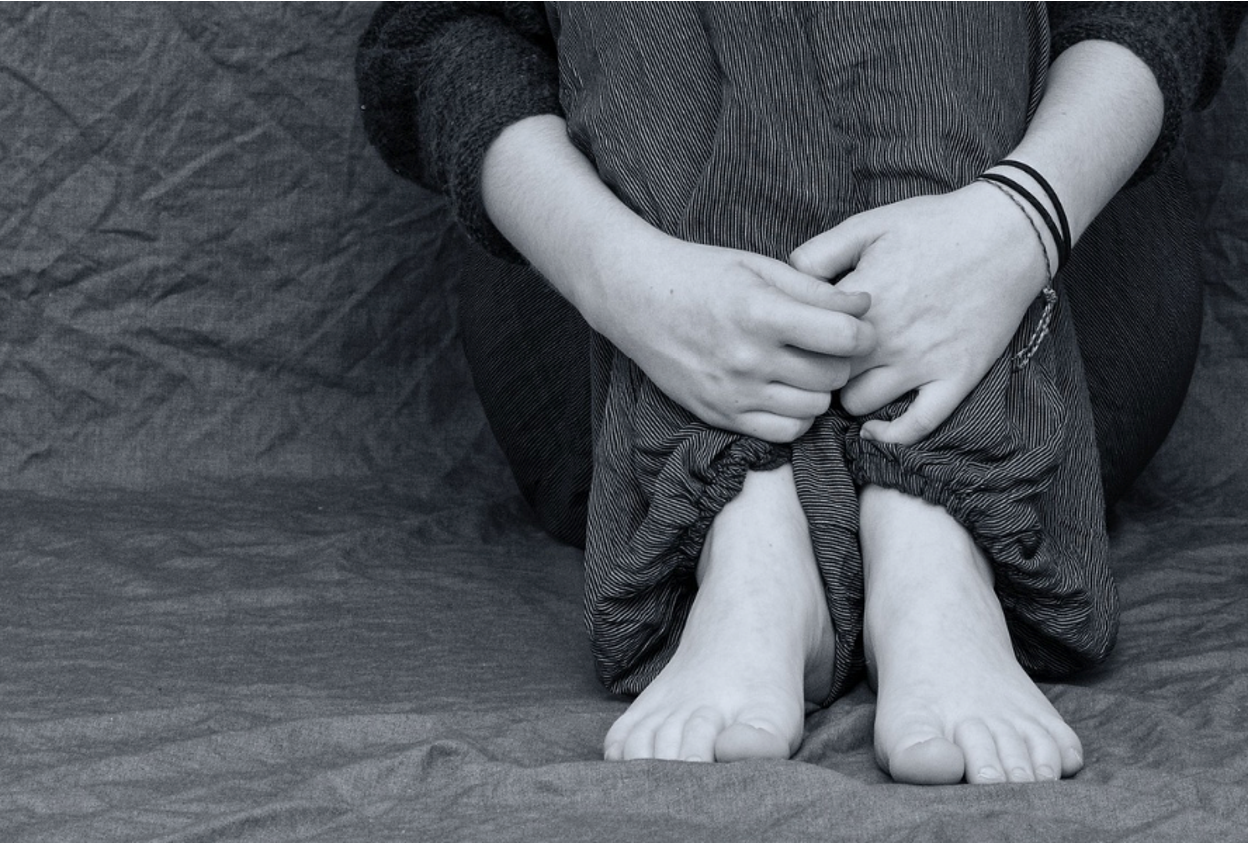
A troubled teen sitting on the floor, hands tightly holding their knees together, showing signs of emotional distress and self-harm.

6 Warning Signs of Self-Harm in Teens That Parents Should Know

Key Takeaways Self-harm often happens in secret, so parents need to watch for unexplained cuts, bruises, or burns (typically on the arms, thighs, or stomach), along with frequent unusual scarring patterns that don’t match your teen’s explanations. Behavioral and emotional

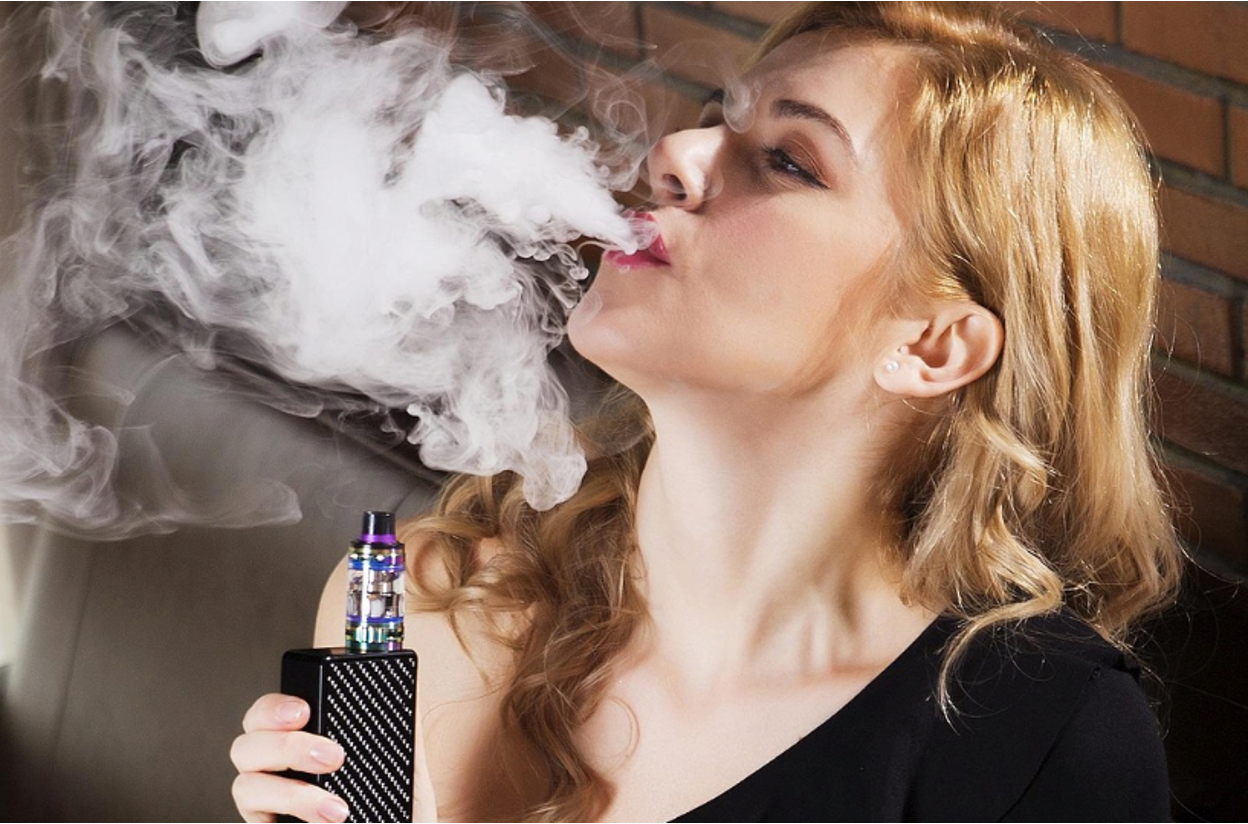
A teenager using a vape device, illustrating the vaping habit parents may notice in their child

How to Help a Teen Quit Vaping: Advice & Tips for Parents

Key Takeaways Understand why teens vape in the first place, whether it’s peer pressure, stress relief, curiosity, or nicotine addiction. Identifying the root cause is what makes quitting stick. Start with an open, non-judgmental conversation where you listen to your

A parent talking to a teenager about staying away from alcohol

How to Prevent Teen Drinking: 7 Things Parents Can Do

Key Takeaways Start conversations about alcohol early and often, using age-appropriate language to discuss the risks, peer pressure, and your family’s expectations. Ongoing dialogue is far more effective than a one-time talk. Model healthy behavior at home. Teens are more