
Minor Depression

Plus signs

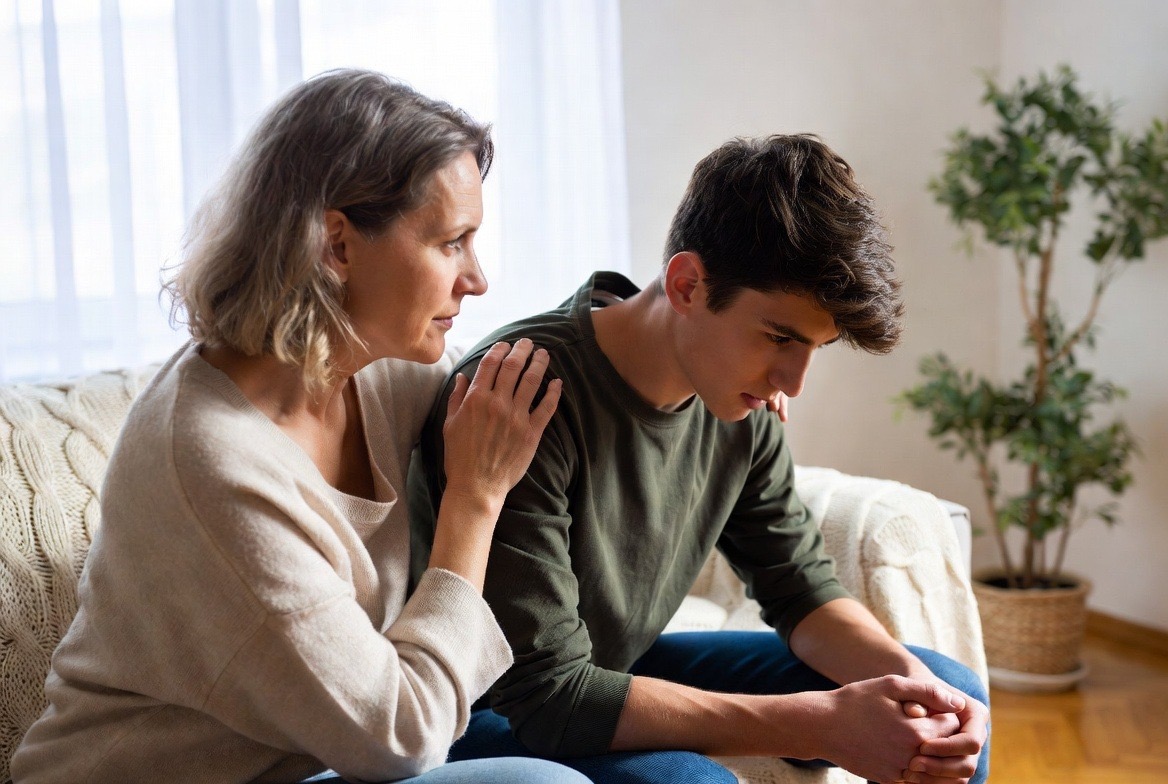
Minor depression can impact adolescents. Being a teenager is hard. All teens experience sadness or feelings of low self-esteem at one time or another. But it’s very important that parents and other adults in a teen’s life make sure to observe what’s going on, and take action if they notice symptoms of minor depression. Furthermore, mild depression can escalate into major depression if left untreated.

What is Minor Depression?

Minor depression is a mood disorder that is not as severe as major depressive disorder. Consequently, only two depressive symptoms need to be present, for two weeks or more, for a diagnosis of minor depression. Minor depression is similar to dysthymia (also known as chronic depression), which is also less severe than major depression and has fewer symptoms.

The symptoms of minor depression, which is sometimes referred to as slight depression or mild depression, are similar to those associated with clinical depression. Typically, people with minor depression experience two to four of these symptoms, which include loss of interest in activities or relationships that used to be enjoyable, feelings of sadness and hopelessness, fatigue and loss of energy, and insomnia or excessive sleeping.

There is no one-size-fits-all solution for treating minor depression in teens. However, there are many effective treatment modalities that can stabilize minor depression before it becomes a long-term problem.

It's Time to Make a Change

We Can Help You on Your Path to Mental Wellness

Close-up view of a troubled teen deep in thought

9 Warning Signs of Suicidal Thoughts in Teens

Key Takeaways Warning signs of suicidal thoughts in teens are often visible before a crisis, including withdrawal from family and friends, sudden mood or behavior changes, talking about feeling hopeless or being a burden, or giving away prized possessions. Pay

A troubled teen sitting on the floor, hands tightly holding their knees together, showing signs of emotional distress and self-harm.

6 Warning Signs of Self-Harm in Teens That Parents Should Know

Key Takeaways Self-harm often happens in secret, so parents need to watch for unexplained cuts, bruises, or burns (typically on the arms, thighs, or stomach), along with frequent unusual scarring patterns that don’t match your teen’s explanations. Behavioral and emotional