Xylazine is changing what overdose looks like in the United States — and that is part of what makes it so dangerous. People do not usually know they have taken it. Naloxone may only partially help. Wounds can appear that do not match the usual clinical picture. And by the time families or clinicians realize something is different, the exposure has often already become a medical emergency.
That is why xylazine is no longer just another drug trend to watch. It is a fast-spreading contaminant in the street supply with effects that many parents, clinicians, and even first responders were not originally trained to recognize.
What Is Xylazine?
Xylazine (pronounced zy-la-ZEEN) is an alpha-2 adrenergic agonist developed in the 1960s and approved by the FDA for veterinary use only — primarily as a sedative and muscle relaxant in large animals. In clinical veterinary settings, it is a controlled and predictable tool. In the illicit drug supply, it is neither.
By 2023, the DEA had confirmed xylazine’s presence in the drug supply of all 50 states. Known on the street as “tranq” or “tranq dope,” it is not classified as a controlled substance under the federal Controlled Substances Act — a legal gap that has significantly complicated both law enforcement and regulatory responses.
The name “zombie drug” did not come from a headline. It came from clinicians and first responders trying to describe what they were actually seeing in the field. Prolonged, unresponsive sedation. Wounds that looked more like slow chemical burns than anything previously documented in overdose medicine. Standard intervention that was only partially working.
Xylazine-fentanyl was the first-ever U.S. “emerging threat” drug designation
This is a strong credibility signal because it shows xylazine is not just another street-drug trend. In April 2023, the White House Office of National Drug Control Policy designated fentanyl adulterated or associated with xylazine as an emerging threat to the United States, the first time that designation had ever been used for a drug combination.
What Does Xylazine Do to the Body — and Why Is It So Hard to Treat?
The danger is not xylazine in isolation. It is what xylazine does in combination with fentanyl — and how completely it disrupts the overdose response protocol that public health systems have spent years building.
Naloxone does not reverse it.
This is the clinical detail that changes everything. Naloxone works by blocking opioid receptors. Xylazine operates on an entirely different receptor system, which means that even when naloxone successfully reverses the fentanyl component of an overdose, the xylazine component remains fully active.
A person may show a partial response after naloxone and still be in serious physiological danger. The CDC recommends administering naloxone anyway because reversing the opioid component can still be life-saving, but emergency medical care is essential even after it is given. Rescue breathing matters here more than in a standard opioid overdose, given xylazine’s direct suppression of respiration.

The wounds are unlike anything in the standard clinical picture.
Repeated xylazine exposure causes severe necrotic wounds — open ulcers and abscesses that progress to patches of dead tissue requiring surgical debridement. They are not limited to injection sites. Clinicians have documented lesions across the entire body surface, including in patients who smoked or snorted rather than injected the drug, which points to a systemic vascular mechanism rather than a purely injection-related one.
According to NIDA, if left untreated, these wounds can become infected and, in severe cases, require amputation. Infectious disease specialists have identified them as clinically distinct — chronic, frequently super infected, resistant to standard wound care protocols, and exceptionally difficult to manage in any acute care setting.
The combination narrows the survival window.
Fentanyl alone is fast. Xylazine slows everything further. The combined effect produces prolonged unconsciousness, deepens respiratory depression, and significantly narrows the time between exposure and irreversible harm. People found unresponsive may have been down far longer than anyone nearby realizes.
What Should Parents and Clinicians Do If They Suspect Xylazine Exposure?
The standard overdose response was built around opioids. Xylazine requires an updated understanding of what risk looks like now.
If you are a clinician:
When a patient presents with suspected opioid overdose and the naloxone response is incomplete or absent, xylazine is not a remote hypothesis. It is an immediate clinical consideration.
Wound documentation matters. Unexplained skin lesions in any patient with a substance use history warrant direct questioning about the drug supply they have been accessing. Standard toxicology panels do not screen for xylazine, which means a negative result is not the same as no exposure.
Clinical management is largely supportive — airway management, hemodynamic monitoring, and specialized wound care — and often requires a multidisciplinary team.
If you are a parent:
The most important thing to understand is that a pill that looks pharmaceutical is not necessarily pharmaceutical. The DEA has found that nearly 7 in 10 seized counterfeit pills contain a potentially lethal dose of fentanyl. A significant portion of that supply also contains xylazine.
That fact belongs in every drug safety conversation with a teenager right now. Not as a scare tactic. As accurate information about what the current street supply actually contains.
Signs that require immediate escalation:
- A teen found unresponsive who does not fully respond to naloxone
- Unexplained skin wounds or lesions anywhere on the body
- Any disclosure of using pills obtained from a peer or an online source
Xylazine test strips are now available through many harm reduction programs. Wounds caught early can often be managed with basic care. Wounds left untreated progress rapidly to something far harder to treat.
When Is It Time to Get Professional Help?
Xylazine changed what substance use risk looks like. The margin between exposure and irreversible harm is narrower than ever, and the population at risk is broader than most parents have been told.
Clearfork Academy works with adolescents and families navigating substance use that has become too dangerous, too entrenched, or too layered with other struggles to manage without clinical support. For teens already in contact with fentanyl-adulterated supply, that threshold has often already been crossed — sometimes without the teen or the family fully realizing it.
The program is built around adolescents’ actual developmental stage. Not to assign blame. Not to apply an adult treatment model to a teenage life. But to intervene with the clinical depth and family involvement that this level of risk requires.
If someone you care about is using anything from the street supply right now, that is not a situation to monitor from a distance. It warrants a professional assessment today.
This article is intended for educational purposes and does not substitute for individualized clinical evaluation or medical advice. If you or someone you know needs help, contact SAMHSA’s National Helpline at 1-800-662-4357, available free and confidentially 24 hours a day.
This article is intended for general educational purposes only and does not constitute medical advice, diagnosis, or treatment. If you or someone you know is experiencing a drug-related emergency, call 911 immediately.
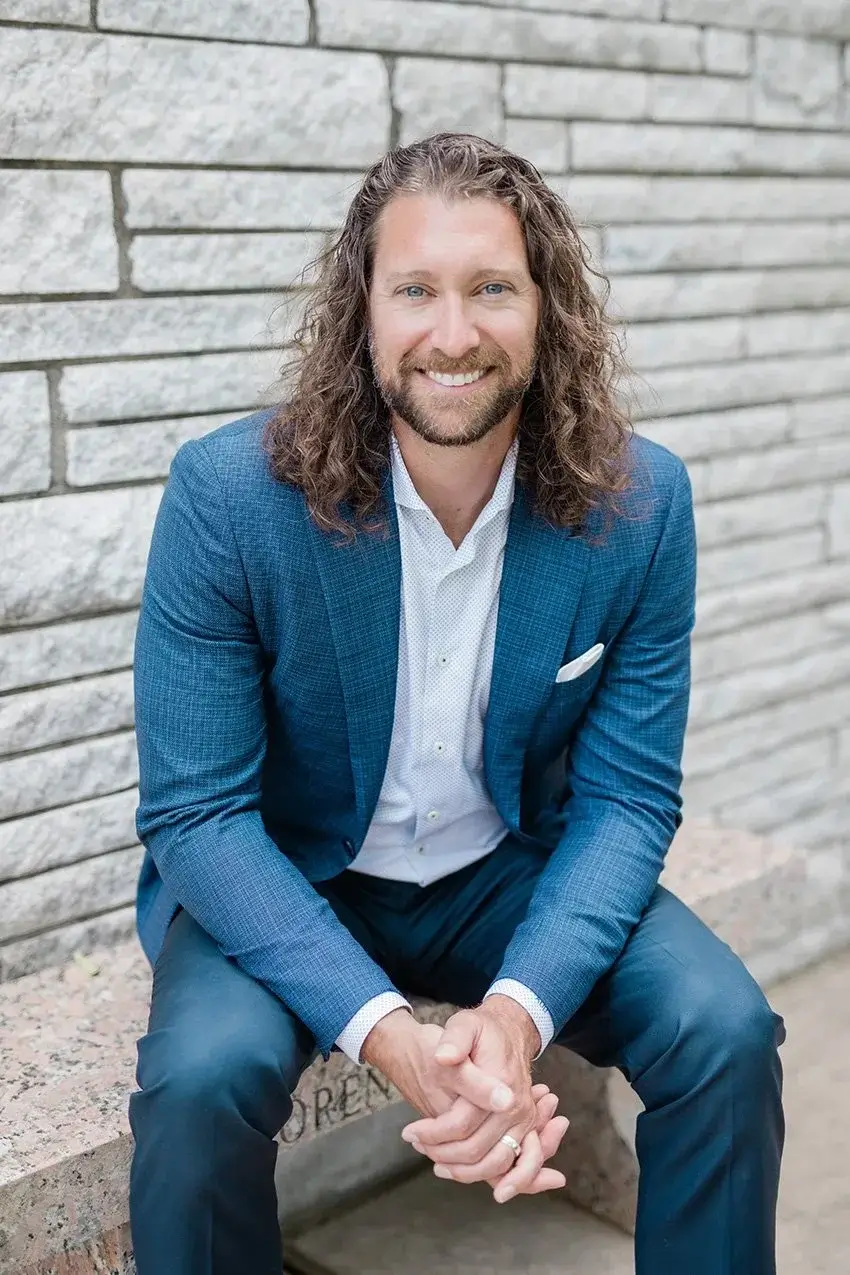
Austin Davis, LPC-S
Founder & CEO
Originally from the Saginaw, Eagle Mountain area, Austin Davis earned a Bachelor of Science in Pastoral Ministry from Lee University in Cleveland, TN and a Master of Arts in Counseling from The Church of God Theological Seminary. He then went on to become a Licensed Professional Counselor-Supervisor in the State of Texas. Austin’s professional history includes both local church ministry and clinical counseling. At a young age, he began serving youth at the local church in various capacities which led to clinical training and education. Austin gained a vast knowledge of mental health disorders while working in state and public mental health hospitals. This is where he was exposed to almost every type of diagnosis and carries this experience into the daily treatment.
Austin’s longtime passion is Clearfork Academy, a christ-centered residential facility focused on mental health and substance abuse. He finds joy and fulfillment working with “difficult” clients that challenge his heart and clinical skill set. It is his hope and desire that each resident that passes through Clearfork Academy will be one step closer to their created design. Austin’s greatest pleasures in life are being a husband to his wife, and a father to his growing children. He serves at his local church by playing guitar, speaking and helping with tech arts. Austin also enjoys being physically active, reading, woodworking, and music.