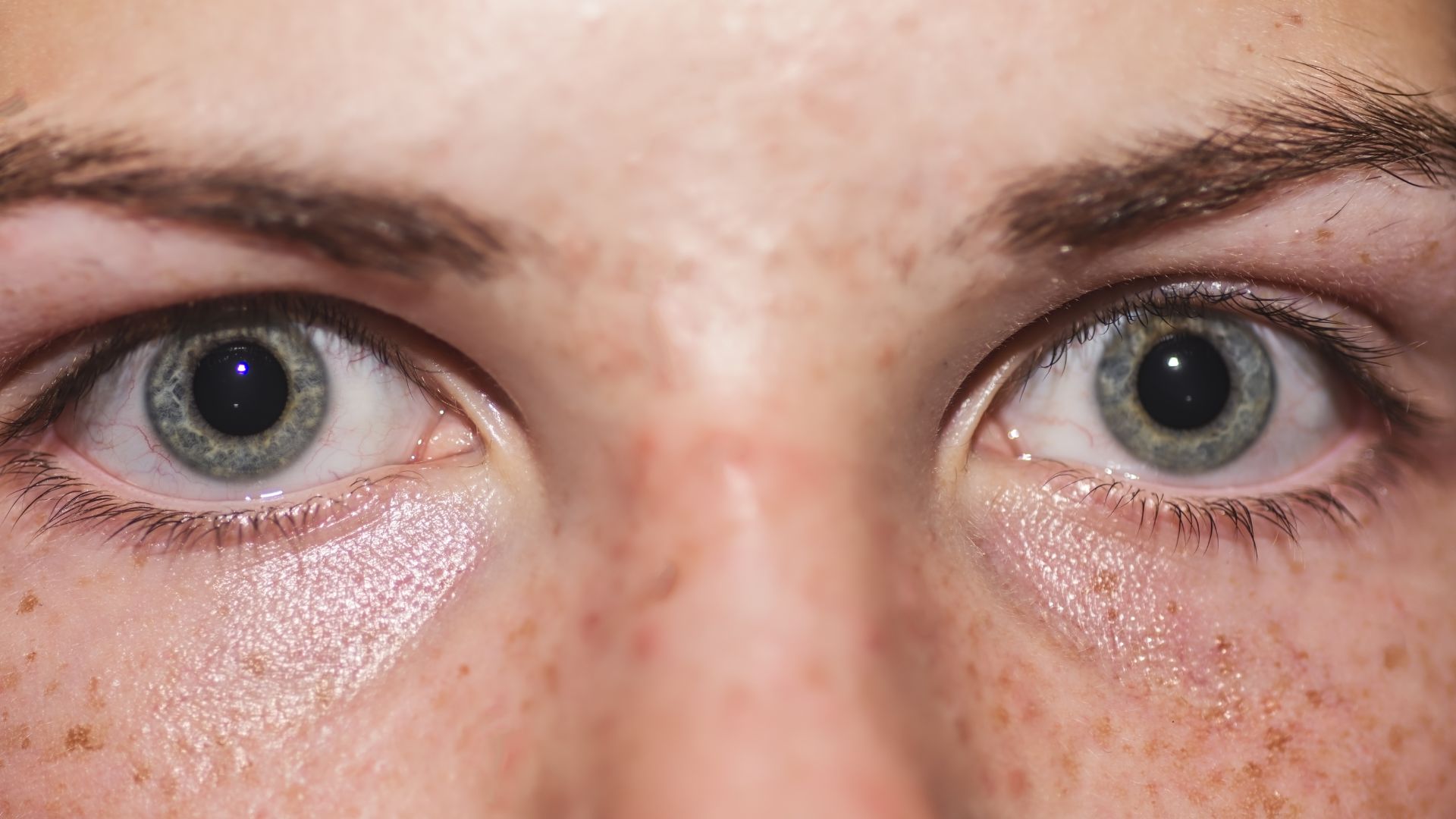

Body Image Issues

Plus signs

Body image issues in teens tend to result from the toxic combination of a distorted self-image, a poor body image, and self-esteem issues. Body image issues can also be affected by negative projections from friends, family, and the popular culture. Although body image issues can affect any teenager, girls are more susceptible.
What Are Body Image Issues?

Body image issues, often an antecedent of body dysmorphic disorder, are characterized by a negative body image that causes a person to dislike the way they look. In response to a poor body image, a person with body image issues often performs repetitive behaviors to try to hide or improve their flaws. In most cases, such poor body image behaviors only bring about temporary relief.

Examples of behaviors calculated to address body image issues include repeatedly looking in a mirror or avoiding mirrors, camouflaging a flaw, excessive grooming, skin picking, and even seeking surgery. Retouched media images that are unrealistic often generate negative body image issues in teens.

Teens with negative body image are more likely to develop eating disorders, suffer from feelings of depression and anxiety, and experience obsessive-compulsive disorders. Treatments for body image issues include psychotherapy and behavioral modification, in the context of inpatient support.

Sources: Girl’s Health.govNational Eating Disorders Association

It's Time to Make a Change

We Can Help You on Your Path to Mental Wellness

Close-up view of a troubled teen deep in thought

9 Warning Signs of Suicidal Thoughts in Teens

Key Takeaways Warning signs of suicidal thoughts in teens are often visible before a crisis, including withdrawal from family and friends, sudden mood or behavior changes, talking about feeling hopeless or being a burden, or giving away prized possessions. Pay

A troubled teen sitting on the floor, hands tightly holding their knees together, showing signs of emotional distress and self-harm.

6 Warning Signs of Self-Harm in Teens That Parents Should Know

Key Takeaways Self-harm often happens in secret, so parents need to watch for unexplained cuts, bruises, or burns (typically on the arms, thighs, or stomach), along with frequent unusual scarring patterns that don’t match your teen’s explanations. Behavioral and emotional