Key Takeaways
- The nine most common problems teens face in 2026 are academic stress, social media pressure, bullying and cyberbullying, anxiety and depression, identity and self-esteem struggles, puberty and hormones, brain development, family conflict, and substance abuse.
- Academic stress, social media, and bullying often combine to drive sleep loss, comparison, and isolation that follow teens home through their phones.
- Anxiety, depression, identity struggles, puberty, and a still-developing prefrontal cortex often show up as irritability, impulsivity, or withdrawal, while family conflict and substance use usually trace back to untreated emotional stress.
- To help at home, stay regulated, ask open-ended questions, take physical symptoms seriously, and seek professional support if changes last over two weeks.
- At Clearfork Academy, we specialize in helping teenagers address these common challenges through faith-integrated clinical care, with dual-diagnosis treatment, and a continuum that meets teens wherever they are in their crisis.
What Are the Problems Commonly Faced by Teenagers in 2026?
The pressures facing teenagers in 2026 are heavier and more interconnected than most parents realize. Academic expectations, constant social media exposure, identity struggles, and the normal turbulence of puberty now exist alongside rising rates of anxiety, depression, and teen substance use.
The good news is that none of this is new territory for clinicians, and the right combination of parental response and professional support can meaningfully change a teen’s trajectory. For families whose teens need more than home support can provide, Clearfork Academy offers faith-integrated clinical care across four Texas locations, with treatment specifically built for adolescents.
Clearfork Academy: Texas’ Teen Treatment Center for Drug, Alcohol & Mental Health
Detox, Residential, PHP, IOP & Virtual IOP | Christian-Founded | 9 Years Serving Families

Your Teen Doesn’t Have to Stay Stuck: Clearfork Academy guides teens aged 13–17 through every stage of crisis, from medically supervised detox to virtual outpatient, with gender-specific, faith-integrated care that keeps kids in school and supports families long after discharge. Within just one month, patients show measurable results.
What Sets Clearfork Apart:
✓ Full care continuum across 4 Texas locations, serving families nationwide
✓ Dual diagnosis treatment: mental health and substance use addressed together
✓ After 30 days: 57% reduction in cravings, 47% decrease in depression
✓ Lifelong alumni support, regardless of which program your teen completes
Recovery isn’t a destination; it’s a path. Let Clearfork walk it with your family.
9 Common Problems Teenagers Struggle With
1. Academic Stress
The pressure to maintain high grades, participate in extracurricular activities, score well on standardized tests, and build a college-ready resume has created a generation of teens running on empty.
This pressure often leads to chronic sleep deprivation, which compounds anxiety and affects emotional regulation. Warning signs that academic pressure has crossed into crisis territory include persistent avoidance of school, physical complaints such as frequent headaches or stomachaches before school days, and emotional shutdown around grades or the future.
2. Pressure from Social Media
For many teenagers, social media is the primary space where their social identity lives. Every post, like, comment, and follower count carries real social weight in the teenage world.
Platforms like Instagram, TikTok, and Snapchat are designed to maximize engagement, which often means maximizing comparison, competition, and the fear of missing out. As a result, heavy social media use may cause lower self-esteem, depression, and increased body image issues, particularly in teenage girls.

Heavy social media use gives teens an avenue to compare themselves with what they see online.
3. Bullying & Cyberbullying
Bullying has always been a part of adolescent social life, but cyberbullying has changed the rules completely. Traditional bullying ended when a teenager walked through their front door. Cyberbullying follows them into their bedroom, onto their phone, and into every private moment they have.
Because much of it happens invisibly to adults, teenagers often suffer in silence, unsure whether what’s happening to them counts as bullying or whether anyone will take it seriously if they speak up.
4. Teen Anxiety & Depression
Anxiety and depression are now among the most commonly diagnosed mental health conditions in teenagers, and the numbers keep climbing year after year. What makes them especially difficult to catch is that they rarely look the way parents expect.
Anxiety in teens often hides behind perfectionism, procrastination, constant worrying, or physical complaints like nausea, headaches, and a racing heart. Depression is even harder to spot because it doesn’t always show up as sadness. More often, it looks like irritability, emotional flatness, withdrawal from friends, or a sudden loss of interest in things they used to love, signs many parents brush off as typical teenage moodiness.
Left unaddressed, both conditions tend to deepen over time and often become the entry point for self-medication through substances, social isolation, or risky behavior.

Teen depression can sometimes look like irritability or moodiness, which many parents overlook.
5. Identity & Self-Esteem Struggles
Adolescence is the developmental stage where identity formation takes center stage. Teenagers are actively figuring out who they are. This process is necessary and healthy, but it is also inherently destabilizing. The constant question of “who am I?” combined with intense social scrutiny from peers can make self-esteem incredibly fragile during these years.
For teenagers from marginalized groups, this identity exploration carries additional weight. The gap between who they feel they are on the inside and how they are perceived or accepted by the world around them can be a significant source of distress, and one that adults frequently underestimate.
6. Puberty & Hormones
Puberty is one of the most disruptive biological events a human being goes through, and it happens right in the middle of one of the most socially demanding periods of life. Hormonal shifts during puberty affect mood, sleep, appetite, energy, and emotional regulation.
The hormonal changes of puberty trigger the release of estrogen and testosterone at levels the body has never experienced before. These hormones directly affect the brain’s emotional processing center, making teenagers more reactive to social threats, more sensitive to rejection, and more likely to experience intense emotional swings.
7. Brain Development
The prefrontal cortex, which is responsible for impulse control, long-term planning, risk assessment, and emotional regulation, isn’t fully developed until the mid-twenties. This means that when a teenager makes an impulsive decision, takes an unnecessary risk, or reacts emotionally before thinking, they are doing exactly what their brain is wired to do at this stage of development.
This understanding calls for a framework built on guidance and structure, not punishment and confusion.
8. Family Conflict & Breakdown at Home
Home is supposed to be the one place where teenagers feel safe enough to decompress from everything the outside world throws at them. When the home environment is unstable due to parental conflict, divorce, financial stress, or emotional unavailability from caregivers, teenagers lose their primary recovery space. The effects ripple outward into every area of their life.
Notably, divorce and family breakdown carry their own specific weight. Teens going through parental separation often feel caught between two worlds and are quietly grieving the loss of the family structure they knew. This grief often looks like anger, academic disengagement, or social withdrawal.
9. Teen Substance Abuse
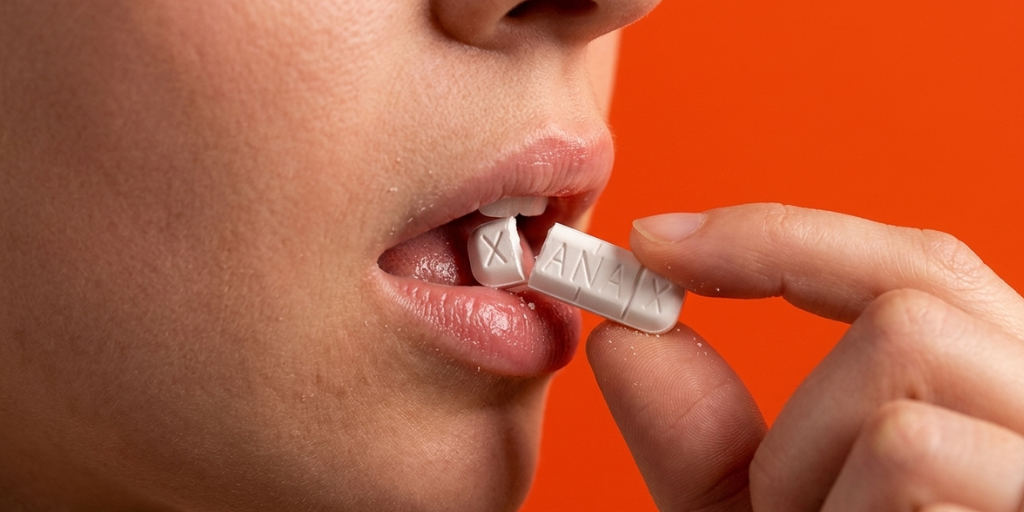
Teenagers often use alcohol to numb social anxiety, cannabis to quiet a stressed-out mind, and stimulants to keep them going through a demanding school schedule. Understanding the substance’s function is critical because it directly indicates what the teenager actually needs help with. More often than not, teens who struggle with untreated anxiety or depression are more likely to turn to substances as a form of self-medication.

Teenagers can sometimes turn to drugs and alcohol as an unhealthy coping mechanism.
How to Help a Teen Facing These Problems
When a teen is struggling, how you show up matters more than what you say. The strategies below are practical ways parents can support their teen at home and recognize when it’s time to bring in extra help. They include:
- Stay regulated yourself: Your nervous system sets the tone for the entire conversation. If you walk in anxious, frustrated, or already escalating, your teen will mirror it before either of you says a word. Slow your breathing, lower your voice, and unclench your jaw before you open the door to the conversation.
- Ask open-ended questions: “What’s been feeling hard lately?” gets you further than “Are you okay?” The second question has a one-word escape hatch built in, and most teens will take it. Open questions signal you actually want to know, and they leave room for an honest answer rather than a polite one.
- Take physical symptoms seriously: Headaches, stomach issues, low energy, and disrupted sleep are often the body’s early warning system for emotional distress. Teens frequently somatize what they can’t yet articulate, so a kid who’s “always tired” or “always has a headache” may be telling you something words haven’t caught up to yet. Don’t dismiss the physical symptoms as laziness or exaggeration.
- Know when to bring in professional support: Two or more weeks of persistent behavioral or emotional changes is a clear signal that home support alone isn’t enough. At Clearfork Academy, our master’s-level licensed therapists work with teens to address their underlying problems and find healthy solutions.
Common Problems Faced by Teenagers: Summary Table
| Problem | Key Warning Signs | Core Support Strategy |
| Academic Stress | School avoidance, sleep loss, physical complaints | Reframe success beyond grades; build in recovery time |
| Social Media Pressure | Passive scrolling, comparison, low self-worth | Encourage active use; monitor screen time and content |
| Bullying & Cyberbullying | Withdrawal, device anxiety, mood changes after phone use | Create a safe space to report; involve school leadership |
| Anxiety & Depression | Persistent sadness, irritability, loss of interest | Professional assessment if symptoms last 2+ weeks |
| Identity & Self-Esteem | Harsh self-criticism, people-pleasing, identity confusion | Affirm without fixing; support exploration safely |
| Puberty & Hormones | Mood swings, body image concerns, social sensitivity | Normalize the experience; offer age-appropriate education |
| Brain Development | Impulsivity, poor risk assessment, and emotional reactivity | Structure, consistency, patience over punishment |
| Family Conflict | Explosive arguments, withdrawal, lying, grief | Family therapy reduces conflict exposure at home |
| Substance Abuse | Secretive behavior, mood changes, declining school performance | Address the underlying emotional need; seek specialist support |
How Clearfork Academy Helps Teenagers Address Their Problems
The nine problems above rarely show up one at a time, which is why catching the pattern early matters more than reacting to any single behavior. When home strategies are no longer enough, your teen needs clinical care built for adolescents, not adults.
At Clearfork Academy, we walk families through every stage of recovery with licensed therapists, dual-diagnosis treatment, and faith-integrated programming for parents who want a Christ-centered environment. Our continuum spans detox, residential, Partial Hospitalization Program (PHP), Intensive Outpatient Program (IOP), and Virtual IOP across four Texas locations, with on-site academics so teens stay current in school throughout treatment. Call (888) 430-5149 or reach out to give your teen the help they deserve.
Frequently Asked Questions (FAQs)
How can I help a troubled teen?
Start with how you communicate. Lead with curiosity rather than accusation, validate feelings before jumping to solutions, and pick low-pressure moments, like car rides or walks, for harder conversations. If symptoms last more than two weeks or include substance use, self-harm, or withdrawal, bring in a professional sooner rather than later.
What are teens’ biggest fears?
Most teens’ fears cluster around belonging, performance, and the future. Specifically, fear of social rejection, fear of failing academically or disappointing their parents, fear of not being good enough, and growing fear about climate and what adulthood will look like for them. These fears are often hidden behind irritability or shutdown rather than expressed directly, so parents have to look past the surface.
Why is my teen crying for no reason?
Crying that seems disproportionate or unexplained is almost always tied to something underneath, hormonal shifts during puberty, accumulated stress, an issue at school, or early signs of depression or anxiety. The “no reason” usually means your teen does not have the words for it yet, or does not feel safe naming it.
How can Clearfork Academy help a teenager in distress?
At Clearfork Academy, we provide structured clinical care for teens ages 13 to 17 whose needs have outgrown what home-based strategies can address. Our continuum spans detox, residential, PHP, IOP, and Virtual IOP, with dual-diagnosis treatment and faith-integrated programming, including Bible study and devotionals, for families who want that foundation. We also offer on-site academics, so teens stay current in school throughout treatment.
*Disclaimer: This content is for informational purposes only and is not a substitute for professional medical or addiction treatment advice. Consult a qualified professional for guidance. For more information, visit Clearfork Academy.

Mike Carter, LCDC
Alumni Relations Manager
Mike grew up on a dairy farm in Parker County, Texas. At the age of 59, he went back to college and graduated 41 years after his first graduation from Weatherford College. God placed on his heart at that time the passion to begin to help others as they walked from addictions, alcoholism, and abuse of substances. He is a Licensed Chemical Dependency Counselor and in the past few years he has worn many hats, from intake and assessment, group counseling, individual and family counseling, intensive outpatient and now he is working with clients, therapist, and families on discharge planning and aftercare. He also coordinates our Alumni Outreach Program.