
Key Takeaways
- Request a fentanyl-specific drug test if you suspect your teen is using; standard opioid panels often miss fentanyl entirely, even within the detection window.
- Use urine tests to catch recent fentanyl use within 72 hours, and hair follicle tests to uncover a pattern of use spanning up to 90 days.
- Seek medically supervised detox as the first step if your teen is physically dependent on fentanyl; withdrawal is severe and requires professional oversight.
- Insist on dual diagnosis care that treats substance use and mental health conditions together; addressing only one significantly raises your teen’s relapse risk.
- At Clearfork Academy, teens ages 13–17 receive a full continuum of care from medically supervised detox through residential treatment and lifelong alumni support.
Why Fentanyl Detection Timelines Matter for Parents
Understanding fentanyl detection timelines helps you confirm or rule out use. Fentanyl is detectable in urine for 24–72 hours, in blood for up to 48 hours, in saliva for one to four days, and in hair for up to 90 days, but standard opioid panels frequently miss it altogether unless a fentanyl-specific screen is requested.
Knowing when and how to test is only the first step. Factors like a teen’s metabolism, body composition, and frequency of use shift these windows significantly, and a negative result doesn’t always mean a teen is in the clear. Once dependence is confirmed, treatment needs to move through medically supervised detox before stepping into residential or outpatient care, with dual-diagnosis support addressing the mental health conditions that almost always run alongside adolescent substance use.
Clearfork Academy provides exactly that progression for teens aged 13–17, from detox through residential, PHP, IOP, and virtual IOP, with on-site schooling and gender-specific programming that keeps recovery and education moving forward together.
Clearfork Academy: Texas’ Teen Treatment Center for Drug, Alcohol & Mental Health
Detox, Residential, PHP, IOP & Virtual IOP | Christian-Founded | 9 Years Serving Families

Your Teen Doesn’t Have to Stay Stuck: Clearfork Academy guides teens aged 13–17 through every stage of crisis, from medically supervised detox to virtual outpatient, with gender-specific, faith-integrated care that keeps kids in school and supports families long after discharge. Within just one month, patients show measurable results.
What Sets Clearfork Apart:
✓ Full care continuum across 4 Texas locations, serving families nationwide
✓ Dual diagnosis treatment: mental health and substance use addressed together
✓ After 30 days: 57% reduction in cravings, 47% decrease in depression
✓ Lifelong alumni support, regardless of which program your teen completes
Recovery isn’t a destination; it’s a path. Let Clearfork walk it with your family.
Fentanyl Detection Timeline by Test Type
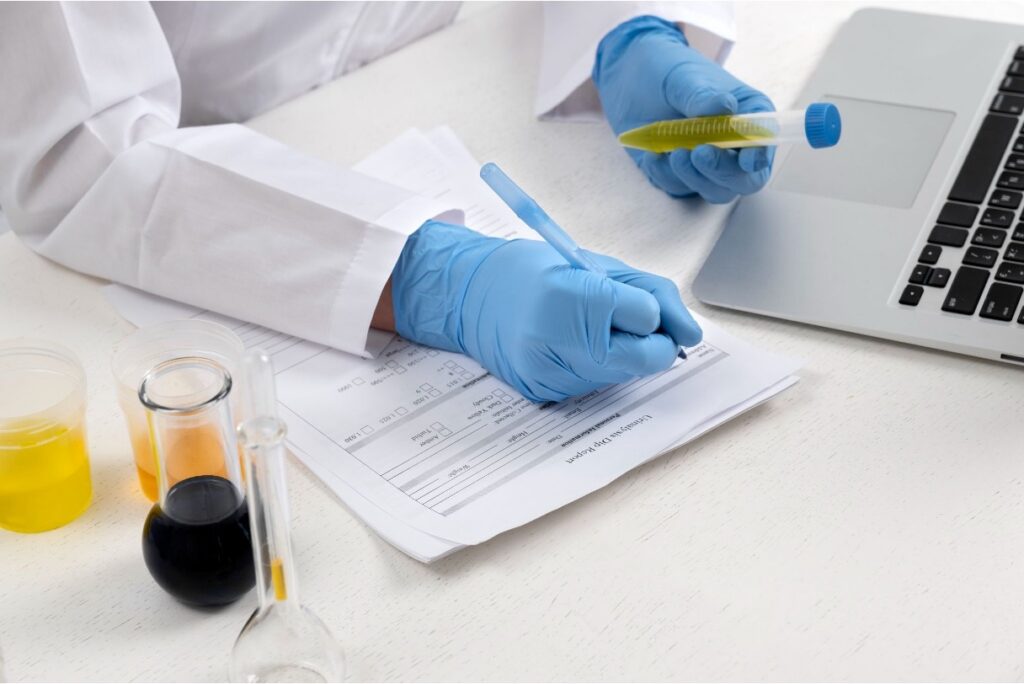
Fentanyl detection windows vary widely by test type, from hours in blood to up to 90 days in hair follicle samples.
Urine Tests
Urine testing is the most common and accessible screening method for fentanyl. After fentanyl enters the body, the liver breaks it down into a metabolite called norfentanyl. Norfentanyl typically appears within 2–4 hours after use and remains detectable for 24–72 hours. Heavier or more prolonged use can extend that window. Critically, most standard opioid panels do not include fentanyl, so parents should specifically ask the provider for a fentanyl-specific screen.
Blood Tests
Blood tests detect fentanyl within a narrower window, generally 5–48 hours after use. They are more invasive and are usually reserved for emergency or clinical situations rather than at-home or routine screening.
Hair Follicle Tests
Hair testing provides the longest detection window, up to 90 days, making it the most useful option for identifying a pattern of repeated use. However, it will not detect very recent exposure, since it takes about one to two weeks for the drug to show up in new hair growth.
Saliva Tests
Saliva tests can detect fentanyl within minutes of use, but the window is relatively short, typically 1–4 days. These are less commonly administered but may be used in certain clinical or school-based situations.
Factors That Affect How Long Fentanyl Stays in Your System
Detection timelines are always given as ranges because several individual factors influence how quickly a teen’s body processes and eliminates fentanyl. Frequency and duration of use matter most; a teen who has been using repeatedly over weeks will retain metabolites far longer than someone exposed once. Body composition plays a role as well, since fentanyl accumulates in fatty tissue and clears more slowly in individuals with higher body fat.
Liver and kidney health directly affect the process because the liver metabolizes fentanyl and the kidneys excrete its byproducts. The method of use: smoked, injected, swallowed, or absorbed through a patch, also changes how quickly the drug enters and leaves the system.
For parents trying to interpret a test result or figure out how recent the exposure was, understanding these variables helps set realistic expectations about what a positive or negative result actually means.
Treatment Options for Teens With Fentanyl Dependence

Treatment for teen fentanyl dependence typically moves through stages, starting with medically supervised detox and stepping down to residential or outpatient care.
Medically Supervised Detox
Detox is the necessary first step for any teen who is physically dependent on fentanyl. Withdrawal symptoms, including severe muscle pain, anxiety, insomnia, nausea, and intense cravings, can be overwhelming for a young person. Medical supervision ensures that these symptoms are managed safely, that the teen is monitored around the clock, and that the process is as tolerable as possible before moving into the next phase of treatment.
Residential Treatment
After detox, many teens benefit from residential care, where they live on-site and receive daily therapy, structured programming, and academic support. This level of care is often the right fit for families where the home environment may contribute to relapse or where use has been severe enough to require around-the-clock structure.
Gender-specific residential programs can address the distinct social and emotional pressures that teen boys and girls face during recovery, and on-site schooling helps ensure a teen does not fall behind academically during treatment.
Outpatient Programs
For teens stepping down from residential care or those with less severe dependence, outpatient options provide continued clinical support without full-time residency. Partial hospitalization programs (PHP) deliver several hours of structured treatment daily, while intensive outpatient programs (IOP) allow teens to attend sessions a few days per week and live at home. Virtual IOP is also an option for families who cannot attend in person but still need structured support.
Across every level, dual diagnosis care, treating substance use and mental health conditions like anxiety, depression, or trauma at the same time, makes the biggest difference. Teens rarely struggle with fentanyl in isolation, and leaving a co-occurring condition untreated significantly increases the likelihood of relapse.
Finding the Right Care Path With Clearfork Academy

At Clearfork Academy, we help teens ages 13–17 and their families go through the path from crisis to lasting recovery.
Finding out that your teenager has been using fentanyl is one of the most frightening experiences a parent can face, but understanding the detection timeline and knowing what treatment looks like can turn that fear into a concrete next step. The path forward starts with the right test, moves into the right level of clinical care, and depends on acting before dependence deepens, because with a drug this potent, waiting carries risks most families cannot afford to take.
For parents of teens ages 13–17, we at Clearfork Academy provide the kind of structured, step-by-step treatment that fentanyl dependence demands. Our care begins with medically supervised detox and progresses through residential, PHP, IOP, and virtual IOP, all with dual diagnosis support and on-site charter schooling so your child’s recovery and education move forward together. If your family is ready to take that next step, visit our admissions page or call us at (888) 430-5149 to get started.
Frequently Asked Questions (FAQs)
Can a standard drug test detect fentanyl?
Most standard opioid panels do not screen for fentanyl or its metabolites. A separate fentanyl-specific test is usually required. If you suspect your teen has been exposed, ask the testing provider to add fentanyl to the panel.
How dangerous is fentanyl withdrawal for teenagers?
Fentanyl withdrawal is rarely life-threatening but can be intensely uncomfortable. Symptoms include muscle aches, anxiety, insomnia, and powerful cravings. Medically supervised detox is the safest approach for teens to manage symptoms and reduce the risk of complications.
Can a teen become dependent on fentanyl quickly?
Fentanyl’s extreme potency means tolerance and dependence can develop faster than with most other opioids. Teenagers are particularly vulnerable because their developing brains are more susceptible to the drug’s effects on reward and decision-making systems.
What should a parent do immediately after finding fentanyl?
Stay calm and avoid a confrontation in the moment. Secure the substance safely, then contact a treatment professional or crisis helpline for guidance. Given fentanyl’s high overdose risk, early professional intervention is critical for your teen’s safety.
What makes Clearfork Academy different for teen fentanyl treatment?
At Clearfork Academy, we treat teens ages 13–17 across every level of care, from detox through residential and outpatient programs. We provide gender-specific, faith-integrated treatment with on-site charter schooling and lifelong alumni support after discharge.
*Disclaimer: This content is for informational purposes only and is not a substitute for professional medical or addiction treatment advice. Consult a qualified professional for guidance. For more information, visit Clearfork Academy.