Key Takeaways
- Anxiety in a 13-year-old becomes a clinical concern when it persists for weeks, feels difficult to control, and starts interfering with school, friendships, or daily routines.
- Parents can support an anxious teen by staying calm during panic episodes, practicing relaxation techniques together, building confidence through small manageable challenges, and resisting the urge to let avoidance become the default response.
- Warning signs like self-harm talk, complete school refusal, significant weight changes, or expressions of hopelessness mean professional help should not be delayed.
- CBT, mindfulness-based exposure therapy, group therapy, and medication in more severe cases are the most widely used clinical approaches for adolescent anxiety.
- Clearfork Academy treats adolescent anxiety with individualized plans matched to each teen’s specific triggers, with family therapy built into the process and a virtual intensive outpatient option for families who need support from home.
13-Year-Olds & Anxiety: What Parents Need to Know
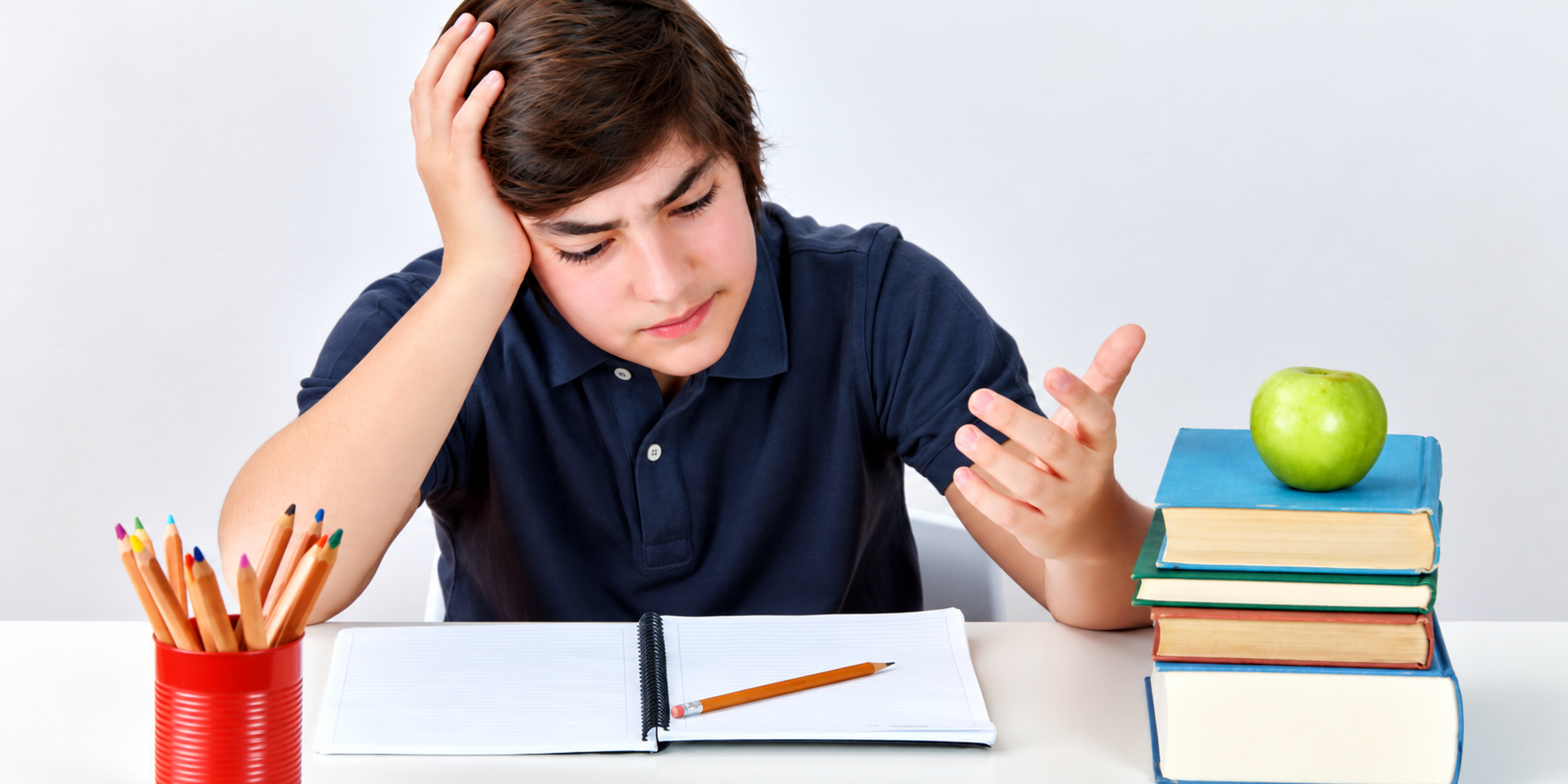
Anxiety in a 13-year-old is more than nervousness before a test or shyness in new situations. At this age, the brain is still developing the capacity to regulate emotion, and the pressure of shifting friendships, academic expectations, and identity questions can push a teen past what they’re equipped to handle on their own. When anxiety starts affecting sleep, school attendance, social life, or the ability to get through a normal day, it’s no longer something to wait out.
Parents can make a meaningful difference by creating emotional safety at home, modeling healthy stress responses, and helping their teen build practical coping strategies they can use when anxiety peaks. Consistent routines, physical activity, and knowing how to respond during a panic attack all contribute to a more stable daily experience for an anxious teen.
When home support isn’t producing change, clinical treatment options like Cognitive Behavioral Therapy, exposure therapy, and group therapy have strong track records with adolescent anxiety. Medication may also play a role in more severe cases, though it’s typically introduced after therapy has been tried.
Clearfork Academy: Texas’ Teen Treatment Center for Drug, Alcohol & Mental Health
Detox, Residential, PHP, IOP & Virtual IOP | Christian-Founded | 9 Years Serving Families

Your Teen Doesn’t Have to Stay Stuck: Clearfork Academy guides teens aged 13–17 through every stage of crisis, from medically supervised detox to virtual outpatient, with gender-specific, faith-integrated care that keeps kids in school and supports families long after discharge. Within just one month, patients show measurable results.
What Sets Clearfork Apart:
✓ Full care continuum across 4 Texas locations, serving families nationwide
✓ Dual diagnosis treatment: mental health and substance use addressed together
✓ After 30 days: 57% reduction in cravings, 47% decrease in depression
✓ Lifelong alumni support, regardless of which program your teen completes
Recovery isn’t a destination; it’s a path. Let Clearfork walk it with your family.
9 Tips to Help a 13-Year-Old Manage Anxiety
1. Create a Safe Space to Talk About Their Anxiety
The most powerful thing you can do is make your teen feel heard without judgment. Resist the urge to immediately problem-solve or minimize the situation.
When a teen feels safe enough to talk about what’s scaring them, they’ve already started processing it. Ask open-ended questions, sit with the discomfort alongside them, and let silence be okay too.

Showing your teen that you’re willing to listen without judgment matters more than having the right thing to say.
2. Be a Positive Role Model for Handling Stress
Teens are watching how you handle pressure. If you avoid difficult situations or never talk about your own stress in healthy ways, they absorb that as the blueprint.
Narrating your own coping out loud, like saying “I’m feeling stressed, so I’m going to take a walk to clear my head,” teaches more than any conversation.
3. Practice Relaxation Techniques Together
Simple methods like deep belly breathing, progressive muscle relaxation, and guided imagery can calm the nervous system and reduce physical tension.
Doing these together removes the stigma and makes them feel normal. Even five minutes a day builds a foundation that pays off when anxiety spikes.
4. Build Their Confidence Through Small Wins
Anxiety shrinks a teenager’s world by convincing them they can’t handle things. The antidote is evidence.
Help your teen identify one manageable challenge each week and celebrate the effort, not the outcome. Over time, these small wins build a sense of self-efficacy.
5. Support Them Without Reinforcing Avoidance
When you allow your teen to skip school repeatedly or bail on social events whenever they feel nervous, avoidance becomes their default coping strategy. The goal is to validate their feelings while gently encouraging them to face their fears in manageable steps.
6. Help Them Through a Panic Attack
A panic attack can feel terrifying for both the teen experiencing it and the parent watching it happen. Knowing what to do in that moment makes a difference in how quickly they recover.
When your teen is in the middle of a panic attack, stay calm yourself first. Guide them through the 5-4-3-2-1 grounding technique: name 5 things they can see, 4 things they can touch, 3 things they can hear, 2 things they can smell, and 1 thing they can taste.
This interrupts the panic spiral and brings their attention back to the present moment. Avoid saying “calm down.” Instead say, “I’m right here. This will pass.”
7. Encourage Healthy Coping Activities
Regular physical activity is one of the most effective natural anxiety reducers. Encourage your teen to find movement they enjoy, whether it’s basketball, yoga, or daily walks.
Creative outlets like journaling, drawing, or music give anxious teens a way to externalize what’s happening internally. Even low-key social connection with one trusted friend can act as a buffer against anxiety’s isolating pull.

A simple stretch routine at home can become part of how a teen manages daily stress.
8. Create Consistent Daily Routines
An anxious brain craves predictability. Consistent wake times, regular meals, designated homework blocks, and a winding-down routine before bed give the nervous system fewer opportunities to spiral.
Pay particular attention to sleep. Teenagers need between 8 and 10 hours per night, and sleep deprivation is directly linked to increased anxiety and emotional dysregulation.
9. Know When to Seek Professional Help
When anxiety is significantly interfering with school, friendships, or daily functioning, professional help is the right next step. Look for a mental health professional who specializes in adolescents and has experience with anxiety disorders. Warning signs that require prompt attention include talk of self-harm, complete school refusal, significant weight changes, or expressions of hopelessness.
Teen Anxiety Treatment Options
Cognitive Behavioral Therapy (CBT)
CBT helps teens identify the distorted thought patterns that fuel anxiety, like catastrophizing or all-or-nothing thinking, and replace them with more balanced perspectives.
It also includes behavioral components that gradually expose teens to feared situations in a controlled way, building tolerance and reducing avoidance over time.
Mindfulness Training & Exposure Therapy
Mindfulness-based approaches teach teens to observe anxious thoughts without being controlled by them. Combined with structured exposure therapy, where teens face anxiety-provoking situations in a stepwise, supported way, this pairing is effective for social anxiety, phobias, and generalized anxiety disorder.
Group Therapy
Group therapy offers the immediate, lived experience of realizing you’re not alone. For teenagers especially, sitting with peers who share similar struggles can be profoundly normalizing and reduce the shame that often surrounds anxiety.
Structured teen anxiety groups typically combine psychoeducation, skill-building exercises, and peer support in a format that many adolescents find more accessible than one-on-one sessions with an adult therapist.
Pharmacological Treatment
Medication isn’t the first line of treatment for teen anxiety, but when anxiety is severe or hasn’t responded to therapy alone, it can be a valuable part of the plan. The most commonly prescribed medications are selective serotonin reuptake inhibitors (SSRIs), which work gradually by adjusting brain chemistry to reduce the baseline intensity of anxiety. Medication is most effective when used alongside therapy.
How Clearfork Academy Can Help Your Teen Manage Anxiety

Clearfork Academy is one of the few Christian-founded treatment centers in Texas offering residential, outpatient, and virtual programs specifically for adolescent mental health.
Anxiety at 13 is treatable, and the combination of consistent parental support and professional treatment gives a teenager the best chance of building coping skills that last. What matters most is recognizing when home strategies alone aren’t enough and connecting your teen with the right clinical support before avoidance patterns become deeply ingrained. A structured treatment environment can address what’s driving the anxiety while teaching your teen how to respond to it differently.
At Clearfork Academy, our therapists work with teens experiencing panic disorder, generalized anxiety, social anxiety, and other anxiety-related conditions, with treatment matched to the specific triggers and patterns each teen presents with. Families are also part of the process through family therapy sessions designed to reduce anxiety triggers in the home and give parents the tools to reinforce what their teen is learning in treatment. Contact us at (888) 430-5149 or reach out to our team to discuss what kind of support would be most helpful for your teen.
Frequently Asked Questions (FAQs)
What are the most common triggers for anxiety in 13-year-olds?
Academic pressure, social stress, fear of judgment from peers, family conflict, social media use, and major life transitions, such as changing schools, are among the most common triggers. Biological factors like genetics and the hormonal shifts of puberty also play a role. It’s often a combination of pressures rather than one single trigger.
Can anxiety in teenagers go away without treatment?
Some mild anxiety does resolve naturally as circumstances change or teens develop better coping skills. However, moderate to severe anxiety rarely improves on its own and can get worse without support. If symptoms persist for more than a few weeks or are interfering with daily functioning, professional guidance is the right move.
How do I calm an anxious 13-year-old?
Start by staying calm yourself, because your regulated presence is settling for their nervous system. Acknowledge what they’re feeling instead of dismissing it or rushing to fix the problem. Guide them through a simple breathing exercise, such as a slow inhale for 4 counts, hold for 4, and exhale for 6, which can physically reduce the anxiety response.
Is medication ever used to treat anxiety in teenagers?
Yes, but it’s typically considered after therapy has been tried or when anxiety is severe enough to require additional support. Selective serotonin reuptake inhibitors (SSRIs) are the most commonly prescribed class of medication for adolescent anxiety disorders. Medication works best as part of a broader treatment plan that includes therapy.
Does Clearfork Academy offer virtual anxiety treatment for teens?
Yes. Our virtual intensive outpatient program gives teens access to structured clinical support from home, which can be a good fit for families who aren’t located near our Texas campuses or whose teen’s anxiety makes an in-person start feel overwhelming. The program includes the same evidence-based therapies available in our on-site programs, delivered by our licensed clinical team.
*Disclaimer: This content is for informational purposes only and is not a substitute for professional medical or addiction treatment advice. Consult a qualified professional for guidance. For more information, visit Clearfork Academy.