Key Takeaways
- Partial hospitalization program (PHP) for teens near Dallas means full days of clinical care most weekdays, while your teen still sleeps at home each night.
- Daily rates in the Dallas area run roughly $350 to $450, though what a family actually pays often drops sharply once insurance is applied.
- Most major plans cover PHP once a clinician documents it as medically necessary, and Medicaid does in some cases, so a coverage review should come early.
- Treatment options include individual therapy, group therapy, family therapy, and hands-on experiential therapy.
- Clearfork Academy runs teen PHP for ages 13 to 17 across four Texas campuses, with nine years of faith-based dual diagnosis care and schoolwork built into the daily schedule.
What Dallas Families Need to Know About Teen PHP
A partial hospitalization program (PHP) gives teens full days of clinical care while they sleep at home each night, filling most weekdays with treatment. It sits a step below round-the-clock residential care but well above weekly therapy, which is why families often turn to it when standard outpatient sessions stop holding a teen steady. A plan usually covers individual, group, and family sessions, plus hands-on therapies and psychiatric or medication support when a teen needs it.
The final bill is based on two factors: how many days your teen attends and what your plan agrees to fund. Rates in this area sit in the hundreds per day, but most plans contribute once a clinician documents the need, so a coverage review should come early rather than after you have ruled a program out on price.
Clearfork Academy offers PHP for teens ages 13 to 17 across four Texas campuses, with academics built into the daily schedule so school does not fall behind. Our clinicians treat both mental health and substance use together if a teen arrives with both.
Clearfork Academy: Texas’ Teen Treatment Center for Drug, Alcohol & Mental Health
Detox, Residential, PHP, IOP & Virtual IOP | Christian-Founded | 9 Years Serving Families

Your Teen Doesn’t Have to Stay Stuck: Clearfork Academy guides teens aged 13–17 through every stage of crisis, from medically supervised detox to virtual outpatient, with gender-specific, faith-integrated care that keeps kids in school and supports families long after discharge. Within just one month, patients show measurable results.
What Sets Clearfork Apart:
✓ Full care continuum across 4 Texas locations, serving families nationwide
✓ Dual diagnosis treatment: mental health and substance use addressed together
✓ After 30 days: 57% reduction in cravings, 47% decrease in depression
✓ Lifelong alumni support, regardless of which program your teen completes
Recovery isn’t a destination; it’s a path. Let Clearfork walk it with your family.
How Much Does PHP for Teens Cost Near Dallas, TX?
PHP for teens may cost somewhere between $350 and $450 for each day your teen attends. Length of stay varies widely (often a few weeks to a few months), so totals range from a few thousand dollars to well into five figures before any insurance is applied.
Coverage moves that number the most. Most major plans pay for PHP once a clinician documents it as medically necessary, and Medicaid does in certain situations, though what each plan actually covers differs. The therapies in the plan and the campus you choose also shift the total.
Start by calling the program and asking for an insurance verification. Clearfork Academy walks families through their benefits and looks at payment options so money does not stand between a teen and treatment. Any figure here will change with your plan, your location, and how long your teen stays.

Teens may benefit from PHP if their case warrants more intensive care.
PHP Treatment Options for Teens
The therapies in a teen’s PHP plan depend on their diagnosis and clinical needs. A teen dealing with depression and anxiety follows a different path than one recovering from substance use or working through trauma. At Clearfork Academy, licensed therapists run a full assessment and build a personalized plan before programming begins, so the schedule reflects a real diagnosis rather than a template. However, most plans combine four core therapies, which include:
Individual Therapy
Individual therapy forms the backbone of any effective PHP. Teens meet one-on-one with a licensed therapist to work through the root causes of their struggles in a private, focused setting. Clearfork Academy’s therapists use evidence-based approaches including Cognitive Behavioral Therapy (CBT), Dialectical Behavior Therapy (DBT), and trauma-focused modalities to help teens build coping skills and process difficult emotions.
Group Therapy

Group therapy is one of the treatment options under PHP for teens.
Group therapy plays a pivotal role in PHP for teens. Sitting with peers who are going through similar experiences breaks down isolation and builds a sense of community that’s hard to replicate in one-on-one settings. Sessions are facilitated by trained clinicians and focus on skill-building, emotional processing, and peer accountability.
For many teens, hearing that someone else understands what they’re going through is a turning point in their recovery.
Family Therapy
Teen mental health doesn’t exist in a vacuum. Family dynamics play a significant role in both the development of and recovery from behavioral health challenges.
Family therapy sessions bring parents and guardians into the process, helping to repair communication, set healthy boundaries, and build a home environment that supports long-term recovery. Clearfork Academy views the family as an important part of the treatment team.
Experiential Therapy
Experiential therapy works without relying on talking. Through activities like art therapy, music therapy, mindfulness practices, and other hands-on approaches, teens engage with their emotions in new and often more accessible ways. This is especially valuable for adolescents who struggle to verbalize what they’re feeling.
For teens who have shut down in traditional therapy environments, experiential modalities can open entirely new pathways to self-awareness and emotional expression. It’s part of what makes a well-rounded PHP a more intensive option than standard outpatient care alone.
Why Choose Clearfork Academy for PHP for Teens Near Dallas

Clearfork Academy provides PHP for teens near Dallas.
The right level of care comes down to what your teen actually needs at this point in their recovery. PHP sits in that middle space where support stays intensive but home life stays intact, and the daily rate becomes far more manageable once insurance benefits are confirmed.
We treat teens at each of our Texas campuses, and no schedule gets built until a clinician has met the teen, so the plan reflects a real diagnosis rather than a template. Families stay involved throughout, and our alumni support continues after discharge. Call (888) 430-5149 to check your coverage and find out whether PHP fits your teen.
Frequently Asked Questions (FAQs)
What is the difference between PHP and IOP for teens?
The difference is intensity. PHP usually runs five days a week for four to six hours a day, totaling at least 20 hours weekly, and suits teens who need structured support but not 24-hour supervision. IOP involves several hours of therapy per week across a few days, so it fits teens who can manage daily responsibilities at home.
Is PHP better than IOP?
Neither PHP nor IOP is universally “better.” PHP is the appropriate choice when a teen’s symptoms are severe enough to require daily, structured clinical intervention. IOP is better suited for teens who have made progress and need ongoing support while returning to school, home routines, and social life.
A licensed clinician will assess your teen’s needs and recommend the level of care that matches their current situation.
How long does a partial hospitalization program last?
The length of a PHP program varies depending on the teen’s individual clinical needs and progress. Teens may participate in PHP for a few weeks to a few months, with the treatment team continually evaluating progress and adjusting the plan as needed. There’s no fixed endpoint that applies to every teen.
Will PHP interfere with my teen’s studies?
For PHP with Clearfork Academy, no. Clearfork Academy builds academics into the PHP schedule so treatment fits around school life rather than replacing it. Teens get set time and space to work on assignments, with staff on hand to supervise and help when a subject gets difficult.
What adolescent cases does Clearfork Academy handle?
Clearfork Academy treats boys and girls ages 13 to 17 for both substance use and mental health conditions. That includes anxiety disorders, depressive and mood disorders, OCD, PTSD and trauma, suicidal ideation, self-harm behavior, and substance use disorders. When a teen has a mental health condition and a substance use problem at the same time, the team treats both together through dual diagnosis care.
*Disclaimer: This content is for informational purposes only and is not a substitute for professional medical or addiction treatment advice. Consult a qualified professional for guidance. For more information, visit Clearfork Academy.
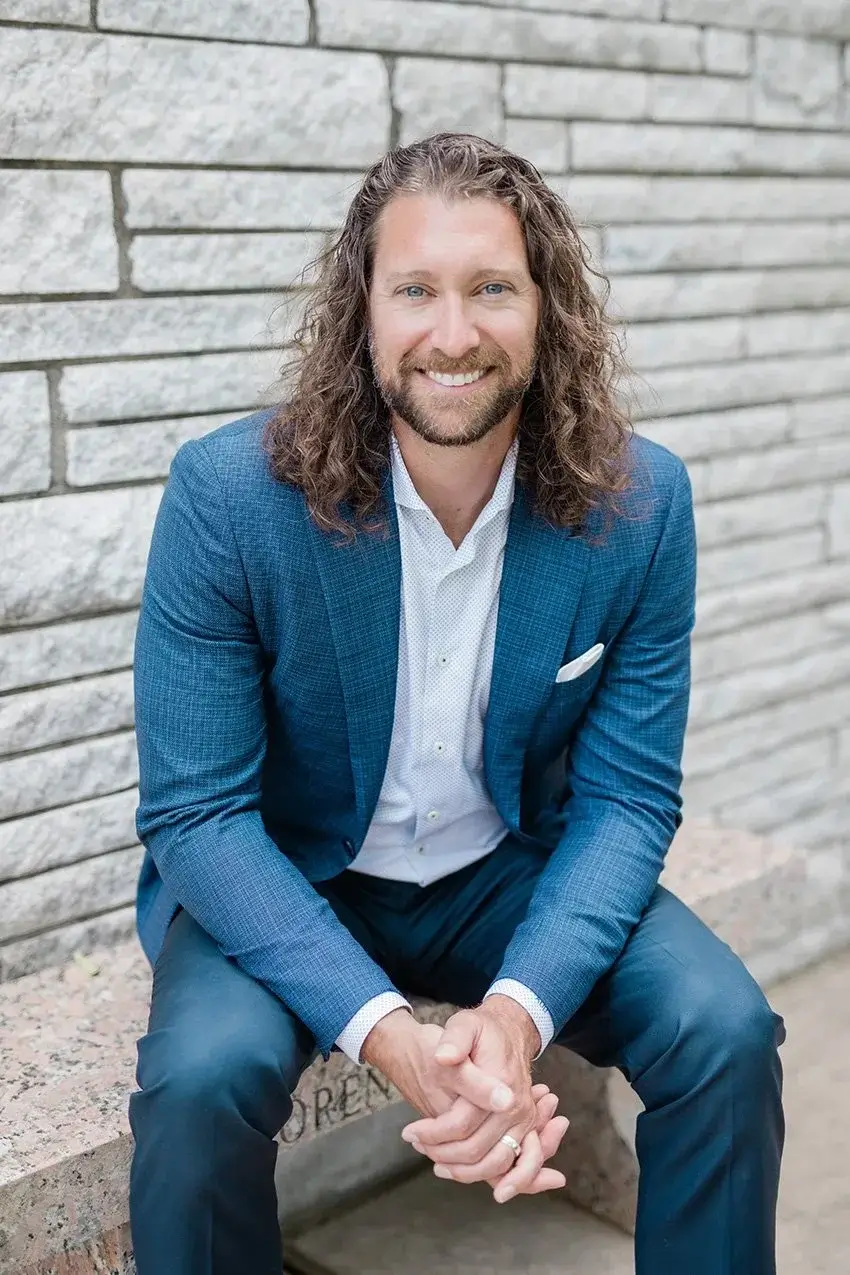
Austin Davis, LPC-S
Founder & CEO
Originally from the Saginaw, Eagle Mountain area, Austin Davis earned a Bachelor of Science in Pastoral Ministry from Lee University in Cleveland, TN and a Master of Arts in Counseling from The Church of God Theological Seminary. He then went on to become a Licensed Professional Counselor-Supervisor in the State of Texas. Austin’s professional history includes both local church ministry and clinical counseling. At a young age, he began serving youth at the local church in various capacities which led to clinical training and education. Austin gained a vast knowledge of mental health disorders while working in state and public mental health hospitals. This is where he was exposed to almost every type of diagnosis and carries this experience into the daily treatment.
Austin’s longtime passion is Clearfork Academy, a christ-centered residential facility focused on mental health and substance abuse. He finds joy and fulfillment working with “difficult” clients that challenge his heart and clinical skill set. It is his hope and desire that each resident that passes through Clearfork Academy will be one step closer to their created design. Austin’s greatest pleasures in life are being a husband to his wife, and a father to his growing children. He serves at his local church by playing guitar, speaking and helping with tech arts. Austin also enjoys being physically active, reading, woodworking, and music.