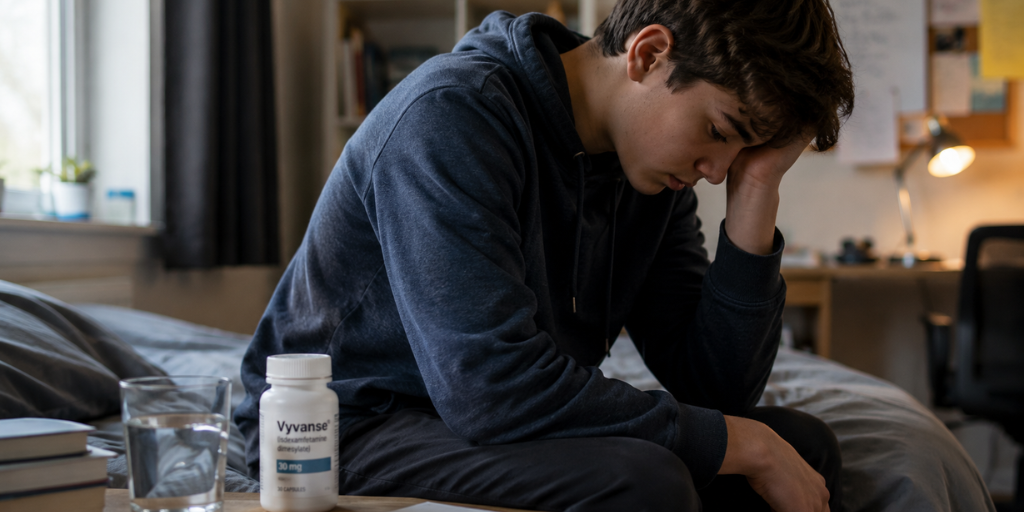
Feeling worry, stress, and fear are common emotional responses that teens experience during their development. However, due to a variety of factors, these feelings can manifest as anxiety in teens and cause their nervous system to go into the physical stress response of “fight or flight” mode.
When this response is activated, it causes physical symptoms like muscle tension, increased heart rate, labored breathing, and chest pain. The sensation can be extremely distressing for teens and hard for parents to observe, sending many families to the emergency room out of fear that their teen is having a heart attack or medical emergency.
The good news? In most cases, your teen’s chest pain is likely caused by anxiety (detected in 67% of patients), muscle strain from activity or growth spurts, and even gastrointestinal problems such as acid reflux [1].
This still warrants attention or psychological support and doesn’t mean to ignore the signs, but it can ease your nerves as a parent to know that not every chest pain complaint is a medical emergency.
Understanding Teen Anxiety
Anxiety in teens is a natural response to stress that heightens alertness and prepares the body for action, often triggering physical symptoms like rapid heartbeat, sweating, muscle tension, or shortness of breath.
When these symptoms continue excessively and interfere with daily life, such as school or social activities, they may indicate an anxiety disorder. Anxiety disorders are one of the most common mental health problems in youth, affecting over 20% of teens, who often report excessive worrying about school performance, sports, making friends, and their future [2].
Several types exist, including generalized anxiety disorder, social anxiety, and panic disorder. Panic disorder stands out for causing intense, sudden panic attacks with severe physical symptoms, usually chest pain, pounding heart, dizziness, and nausea that mimic a heart attack.
Is Chest Pain A Common Symptom of Anxiety in Children and Teens?
Studies estimate that around 25% of people over their lifetime will experience chest pain due to anxiety. In a survey of youth 11-18 at a pediatric cardiology clinic, anxiety affected 67.5% of those with chest pain [1]. Other common symptoms that are present with anxiety-induced chest pain include:
- Shortness of breath
- Sweating, trembling, or shaking
- Dizziness, lightheadedness, or blurry vision
- Nausea, stomachaches, or vomiting/dry heaving
- Muscle tension, restlessness, or fidgeting
- Inability to focus, restlessness
- Social withdrawal, isolation
- Mood swings or aggression
Is Your Teen’s Chest Pain Anxiety or Another Problem?
Although chest pain is often associated with a heart attack, keep in mind that this is extremely rare in teens, affecting 6 out of 1 million youth. Teens who have suffered from heart attacks often have a history of heart problems, a congenital heart defect, or are actively abusing drugs and alcohol, such as cocaine [3].
In many cases, people who actually suffer from heart attacks don’t realize what is happening right away, and the pain is more likely to build up, spread to the arm, jaw, or back, and persist or worsen instead of easing once the stressor passes.
Likely, if your teen has chest pain and anxiety has already been ruled out, it is due to another medical problem, such as [4]:
- Costochondritis: This is a type of joint pain in the costochondral joints, where the ribs and cartilage of the sternum connect. This pain is usually sharp or stabbing, along one side of the chest. They can last from a few seconds to minutes, and the pain most often occurs when lying down.
- Precordial Catch Syndrome: This chest pain is sharp and localized along the lower left side of the sternum or breastbone and lasts only a few seconds in duration. It typically occurs while sedentary or during activities with mild exertion. It is thought that the pain comes from a pinched nerve and spasms in the intercostal muscles.
- Acid Reflux: Chest pain can sometimes be caused by problems in the gastrointestinal tract especially if chest pain is described as “burning” around the belly button area or upper stomach/esophagus.
- Asthma: Teens with a history of asthma may have increased chest pain due to airway spasms.
Why Does Anxiety Cause Chest Pain?
During an anxiety attack, the brain releases a surge of stress hormones such as adrenaline and cortisol, which increase activity in the central nervous system and raise heart rate and blood pressure. These effects can be heightened in teens due to puberty and an already sensitive hormone system that makes them more vulnerable to the effects of cortisol [5].
This can create a dangerous cycle and feedback loop, where the initial chest pain from anxiety triggers thoughts like “I’m dying,” “I’m going crazy,” or “I’m losing control,” increasing fear and more adrenaline release. Helping teens recognize this pattern can interrupt this cycle and prevent emergency visits to the hospital or local health clinic.
What Does Anxiety-Induced Chest Pain Feel Like?
A few common characteristics of anxiety-related chest pain include:
- Pressure: Creates a sensation of tightness in the chest, as if your heart or surrounding heart muscles are being squeezed.
- Burning: Tingling or burning sensations accompanied by a feeling of warmth or discomfort. This is a common complaint of teens with acid reflux.
- Sharp: This feels like a sharp, stabbing pain and is often brief.
- Achy: A dull pain that may feel like a persistent, generalized discomfort in the chest rather than actual “pain”.
- Exacerbated by stress or anxiety: A key characteristic of anxiety chest pain is that it is often exacerbated by stress, anxiety, or panic attacks. If your teen has a big exam coming up or is fighting with their boyfriend/girlfriend, it’s more likely they could struggle with these physical anxiety symptoms.
Self-Help Strategies for Teens with Anxiety
Helping your teen understand what anxiety is and how it affects their health, or leads to physical symptoms, can greatly reduce the fear of the unknown and assure them they aren’t dying. Managing physical symptoms of anxiety often takes practice, and it’s important to remind your teen that they have more control over their body than they think or feel.
Some tips for teens to manage anxiety-induced chest pain and panic attacks include:
- Remind yourself that this peaks in 10 to 15 minutes, and you aren’t dying, going crazy, or losing your mind. Even if you feel like it.
- Throw cold water on your face or take a hot shower.
- Wrap yourself in a soft or weighted blanket, make yourself cozy.
- Listen to your favorite artist, song, or album. Blast it and start dancing around the house, or put your headphones in and focus on the beats.
- Cuddle your pet or stuffed animal.
- Use social media to your benefit (e.g, swap out doomscrolling on TikTok and instead participate in a TikTok workout challenge)
- Shoot a text to the group chat, “Guys, I’m in panic mode. Someone distract me with a meme.”
Evidence-Based Anxiety Treatment for Teens in Texas
Clearfork Academy is a network of behavioral health facilities in Texas committed to helping teens recover from substance abuse and mental health disorders. We offer medical interventions for addiction, mental health therapies, and medication services, as well as psychoeducation tailored to parents of teens.
We also integrate creative arts and outdoor recreation to treat anxiety in teens and help them grow into resilient young adults who can manage anxiety and face challenges head-on. Contact our admissions team today to find the support your teen deserves.
Sources
[1] Khairandish, Z. et al.(2017). Role of anxiety and depression in adolescents with chest pain referred to a cardiology clinic. Cardiology in the young, 27(1), 125–130.
[2] Goldhaber, K. (2025). Contributing Factors to the Rise in Adolescent Anxiety and Associated Mental Health Disorders: A Narrative Review of Current Literature. Journal of Child and Adolescent Psychiatric Nursing.
[3] Rocha, L. et al. (2022). A rare cause of chest pain in paediatric age: a teenager with acute myocardial infarction due to spontaneous coronary artery dissection. BMJ case reports, 15(1), e246393.
[4] Seery, T. 2025. Chest Pain in Children and Teens: Should You Be Concerned? Brown University Health. [5] Steimer T. (2002). The biology of fear- and anxiety-related behaviors. Dialogues in clinical neuroscience, 4(3), 231–249.

Austin Davis, LPC-S
Founder & CEO
Originally from the Saginaw, Eagle Mountain area, Austin Davis earned a Bachelor of Science in Pastoral Ministry from Lee University in Cleveland, TN and a Master of Arts in Counseling from The Church of God Theological Seminary. He then went on to become a Licensed Professional Counselor-Supervisor in the State of Texas. Austin’s professional history includes both local church ministry and clinical counseling. At a young age, he began serving youth at the local church in various capacities which led to clinical training and education. Austin gained a vast knowledge of mental health disorders while working in state and public mental health hospitals. This is where he was exposed to almost every type of diagnosis and carries this experience into the daily treatment.
Austin’s longtime passion is Clearfork Academy, a christ-centered residential facility focused on mental health and substance abuse. He finds joy and fulfillment working with “difficult” clients that challenge his heart and clinical skill set. It is his hope and desire that each resident that passes through Clearfork Academy will be one step closer to their created design. Austin’s greatest pleasures in life are being a husband to his wife, and a father to his growing children. He serves at his local church by playing guitar, speaking and helping with tech arts. Austin also enjoys being physically active, reading, woodworking, and music.