
Clearfork Academy celebrates its 10th anniversary, a decade of walking alongside teenagers and families through some of life’s most difficult moments. It’s an opportunity to reflect on how adolescent mental health has changed, what our clinicians have learned, and the mission that continues to guide our work.
When Clearfork Academy first opened its doors, our mission was to provide adolescents with compassionate, evidence-based behavioral health care in an environment designed specifically for teenagers. That mission has never changed.
What has changed is the world today’s teenagers are growing up in.
Over the past ten years of adolescent mental health care, our clinicians have witnessed remarkable shifts in the challenges young people face. Anxiety and depression have become more prevalent. Vaping has largely replaced cigarette smoking among adolescents. Cannabis products have become increasingly accessible, while synthetic drugs and fentanyl have introduced new dangers. Social media has transformed how teens build relationships, experience stress, and view themselves. The COVID-19 pandemic added another layer of disruption during critical years of emotional development.
Even as adolescent mental health has evolved, our commitment has remained the same: every teenager deserves individualized care, every family deserves support, and recovery is possible.
This anniversary offers an opportunity to share what our clinicians have learned over ten years, reflect on how adolescent behavioral health has evolved, and look ahead to the future of Clearfork Academy.
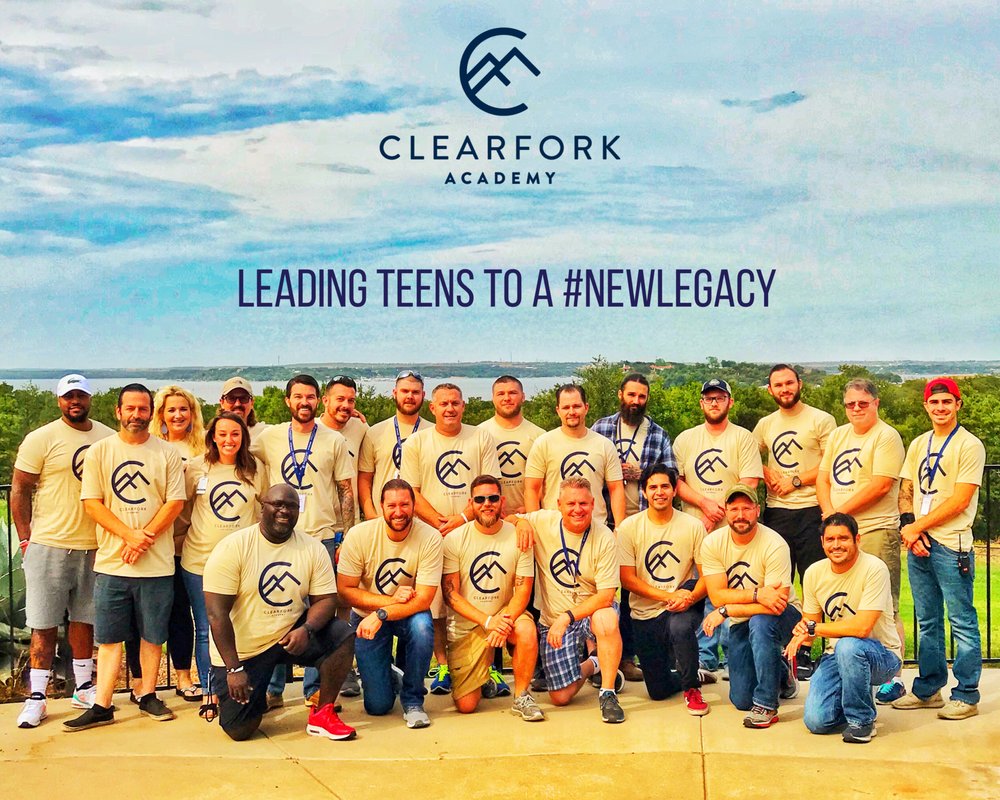
10 Years in Review
Over the past decade, Clearfork Academy has grown alongside the changing needs of adolescents and their families. This timeline highlights some of the milestones that shaped our journey.
How Teen Mental Health Has Evolved Over the Past Decade
Ten years ago, clinicians often evaluated anxiety, depression, behavioral concerns, or substance use as separate issues. Today, those same concerns frequently overlap.
A teenager struggling with anxiety may also experience depression, difficulty sleeping, declining academic performance, excessive social media use, and experimentation with nicotine or cannabis. Each concern can influence the others, making comprehensive assessment more important than ever.
-
Anxiety and Depression Have Become More Common
National surveys conducted over the past decade have documented rising rates of persistent sadness, anxiety, and depressive symptoms among adolescents. Many young people report feeling overwhelmed by academic expectations, uncertainty about the future, social pressures, and rapidly changing relationships.
While every teenager experiences stress differently, clinicians at Clearfork Academy have observed many of the same trends reflected in national data. Teens today often describe feeling emotionally exhausted despite appearing successful on the outside. Many struggle to disconnect from constant notifications, online comparison, and the pressure to remain continuously connected.
The result is a generation navigating more emotional demands than ever before.
-
Substance Use Has Become More Complex
Looking back over Clearfork Academy’s first decade, one of the biggest shifts our clinicians have witnessed involves adolescent substance use.
When Clearfork Academy began serving families, alcohol and marijuana remained among the most common substances used by teenagers. Higher-potency products, concentrates, and edible forms indicates today’s adolescents may experience stronger effects than previous generations. At the same time, changing public attitudes toward marijuana can sometimes make it more difficult for families to recognize potential risks for developing brains.
Perhaps the most concerning development has been the emergence of fentanyl contamination in counterfeit pills and illicit substances, creating life-threatening risks that were far less common a decade ago.
These changes reinforce one of the most important lessons our clinicians have learned over the last ten years: substance use prevention and treatment must continually evolve alongside changing patterns of adolescent behavior.
-
The Lasting Impact of the COVID-19 Pandemic
No discussion of the past decade would be complete without acknowledging COVID-19.
For many teenagers, the pandemic disrupted critical years of emotional, social, and academic development. Isolation, interrupted routines, increased family stress, and uncertainty contributed to worsening anxiety and depression for some adolescents, while others turned to substances to cope with emotional distress.
Although many teens have regained stability, clinicians continue to see the lasting effects of those disruptions in treatment today. The pandemic did not create adolescent mental health challenges, but it intensified existing concerns for many young people and highlighted the importance of accessible, comprehensive behavioral health care.
-
Social Media Has Changed the Landscape
Perhaps no change has been as visible as the rapid growth of digital technology. Social media has created valuable opportunities for connection, creativity, and community. At the same time, many teenagers describe feeling pressure to compare themselves with carefully curated online lives, remain constantly available to peers, or seek validation through likes and comments.
For adolescents who are already vulnerable to anxiety, depression, or low self-esteem, these pressures can amplify emotional distress.
Our clinicians have also seen how excessive screen time can contribute to disrupted sleep, reduced physical activity, and less face-to-face interaction—factors that play an important role in overall mental well-being.
Technology itself is not the problem.
Instead, the past decade has reinforced the importance of helping teenagers develop healthy digital habits while maintaining strong relationships, meaningful activities, and balanced routines offline.
-
One Lesson Has Remained Constant
Although today’s teenagers face challenges that look very different from those of a decade ago, one belief has remained constant at Clearfork Academy: teenagers are remarkably resilient. With individualized care, evidence-based treatment, and supportive families, meaningful recovery is possible. That belief has guided our clinicians since the beginning and continues to shape our work today.

What Our Clinicians Have Learned Over 10 Years
Every teenager’s story is unique. Over ten years, we’ve learned that effective treatment begins by understanding the whole person rather than focusing on a single behavior or diagnosis. Comprehensive assessments help identify the emotional, social, academic, and family factors influencing a teen’s well-being, allowing treatment plans to be individualized.
Another lesson we’ve learned is that early intervention gives families more options. While some changes are part of normal adolescence, persistent concerns that affect a teen’s relationships, school performance, or daily functioning deserve attention.
Seeking an evaluation early helps families understand what their teenager is experiencing and identify the most appropriate level of care, whether outpatient therapy, intensive outpatient treatment, partial hospitalization, or residential care before concerns become more severe. One lesson our clinicians often share with parents is simple: You do not have to wait for a crisis before asking for help.
Families Are Part of the Healing Process
Recovery is rarely an individual journey. Teenagers heal within relationships, and families play an essential role in that process.
When families participate in treatment, teenagers often experience greater consistency between what they practice in therapy and what happens at home. Healthy communication, predictable routines, and clear expectations create environments where recovery can continue long after formal treatment ends.
Although every family’s experience is different, several practices consistently contribute to stronger treatment engagement:
- Maintaining open, respectful communication.
- Setting clear and consistent expectations.
- Participating in family therapy sessions.
- Supporting healthy routines around sleep, school, nutrition, and physical activity.
Families do not need to have all the answers before beginning treatment. Their willingness to stay engaged is often one of the most powerful resources a teenager has.
Looking back on a decade of treating teens, one of the clearest lessons is that parents often have more influence than they realize. Even when families feel overwhelmed, teenagers can build healthier coping skills, strengthen relationships, and regain confidence with the right support. Time and again, we’ve seen hope grow through consistent treatment, family involvement, and resilience.
Common Misconceptions Parents Often Have
During a decade of treating teens, our clinicians have encountered many understandable misconceptions that can delay families from seeking support or create unrealistic expectations about recovery.
-
“It’s just a phase.”
Adolescence naturally involves emotional ups and downs, but persistent sadness, anxiety, significant behavioral changes, or substance use should not automatically be dismissed as typical teenage behavior.
If concerns continue for several weeks, become more severe, or interfere with daily functioning, a professional evaluation can help determine whether additional support is needed.
-
“If my teen stops using substances, everything else will improve.”
Substance use is often one piece of a larger picture. Many teenagers also struggle with anxiety, depression, trauma, or other emotional challenges that require attention alongside substance use treatment. Addressing only one concern may leave important underlying issues unresolved.
-
“Seeking treatment means we’ve failed as parents.”
One of the most common fears parents express is that asking for help somehow reflects poor parenting. Our clinicians have learned the opposite is often true.
Seeking professional support demonstrates a willingness to protect a teenager’s well-being, strengthen family relationships, and access resources that may not otherwise be available.
-
“Recovery should happen quickly.”
Parents naturally want to see immediate improvement. While some teenagers respond rapidly to treatment, lasting recovery usually develops over time. Building healthy coping skills, repairing trust, improving emotional regulation, and creating new routines are gradual processes.
Progress is measured over months and years, not simply days or weeks.
Understanding these realities helps families approach recovery with greater patience, confidence, and realistic expectations.
What Long-Term Recovery Really Looks Like
One of the most valuable lessons from 10 years of Clearfork Academy is that recovery is rarely defined by a single breakthrough moment. Instead, it is built through consistent progress, supportive relationships, and the gradual development of healthier ways to cope with life’s challenges.
Over the past decade, our clinicians have found that long-term recovery is often reflected in meaningful but sometimes subtle changes, including:
- Improved emotional regulation during stressful situations.
- Greater willingness to communicate honestly with trusted adults.
- Healthier friendships and social connections.
- Better attendance and engagement at school.
- Stronger problem-solving and decision-making skills.
- Increased confidence in managing difficult emotions without turning to substances or other risky behaviors.
- Renewed trust between teens and their families.
These changes rarely happen overnight. They develop through consistent therapeutic support, family involvement, and a treatment approach tailored to each adolescent’s strengths and challenges.
Looking Ahead: The Next Chapter of Clearfork Academy
The lessons of the past decade have shaped not only how we care for teens but also how Clearfork Academy has expanded its programs and campuses to serve more families without losing sight of its original mission.
When Clearfork Academy opened in 2016, the goal was to create a safe, therapeutic environment designed specifically for adolescents. As the needs of teens and families grew, so did the organization.
Today, Clearfork Academy serves families through residential campuses for boys and girls, as well as Partial Hospitalization (PHP) and Intensive Outpatient (IOP) programs across Texas and Oklahoma.
Each location is intentionally designed to provide age-appropriate, structured care in a therapeutic environment where adolescents can step away from everyday pressures, continue their education, strengthen family relationships, and focus on healing and recovery.
Throughout that growth, Clearfork Academy has also continued to support each teen’s education, helping adolescents remain engaged academically while receiving treatment so recovery and learning can progress together.
Although the campuses have expanded, the mission has remained unchanged: helping adolescents build healthier futures through compassionate, individualized care.
Celebrating 10 years of Clearfork Academy is about more than marking a date on the calendar. It is an opportunity to reflect on the families who have trusted us during some of life’s most difficult moments, the clinicians and staff who have dedicated themselves to adolescent behavioral health, and the teenagers whose resilience continues to inspire our work every day.
As we begin our second decade, we remain committed to building on the lessons of the past ten years while continuing to provide compassionate, evidence-based care for adolescents and their families. Although the challenges facing today’s teens will continue to evolve, our commitment to individualized treatment, family partnership, and long-term recovery remains unchanged.
The lessons of the past decade will continue shaping the care we provide, the programs we develop, and the support we offer to families for many years to come.
To every teenager who has found hope, every parent who has chosen to ask for help, every clinician who has offered compassion, and every member of our community who has believed in our mission.
Thank you for being part of the first 10 years of Clearfork Academy.

Austin Davis, LPC-S
Founder & CEO
Originally from the Saginaw, Eagle Mountain area, Austin Davis earned a Bachelor of Science in Pastoral Ministry from Lee University in Cleveland, TN and a Master of Arts in Counseling from The Church of God Theological Seminary. He then went on to become a Licensed Professional Counselor-Supervisor in the State of Texas. Austin’s professional history includes both local church ministry and clinical counseling. At a young age, he began serving youth at the local church in various capacities which led to clinical training and education. Austin gained a vast knowledge of mental health disorders while working in state and public mental health hospitals. This is where he was exposed to almost every type of diagnosis and carries this experience into the daily treatment.
Austin’s longtime passion is Clearfork Academy, a christ-centered residential facility focused on mental health and substance abuse. He finds joy and fulfillment working with “difficult” clients that challenge his heart and clinical skill set. It is his hope and desire that each resident that passes through Clearfork Academy will be one step closer to their created design. Austin’s greatest pleasures in life are being a husband to his wife, and a father to his growing children. He serves at his local church by playing guitar, speaking and helping with tech arts. Austin also enjoys being physically active, reading, woodworking, and music.