

Mental Health

Plus signs

Having to send a child to a drug rehab treatment facility is perhaps one of the most challenging decisions a parent might have to make. Parenting is difficult in general

Blog Categories

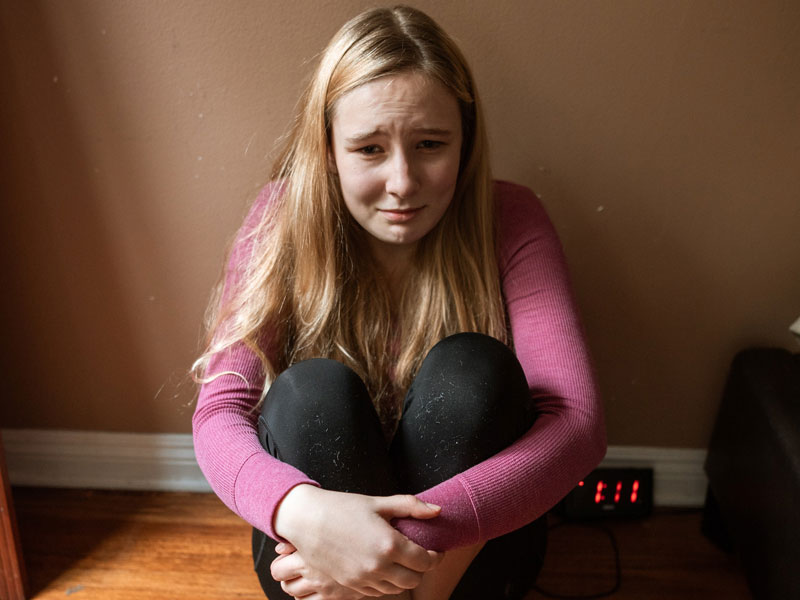
Young girl expressing herself during a therapy session, illustrating the importance of open communication and support in rehab.
Mental Health

What Teenage Behavioral Programs Work Best for Mental Health?

Teen mental health challenges are rising, with issues like anxiety, depression, and trauma affecting many adolescents. Recognizing warning signs such as social withdrawal, mood swings, and reckless behavior can help in early intervention. Effective treatment options range from residential programs for severe cases to outpatient counseling for milder concerns. Evidence-based therapies, including CBT, DBT, and EMDR, provide tailored support to help teens develop resilience and healthy coping mechanisms.

Teens collaborating and learning outdoors, symbolizing teamwork, progress, and healthy engagement during rehabilitation.
Mental Health

How Does Cyberbullying Affect Teen Mental Health?

Cyberbullying is a growing concern among teens, with nearly half experiencing online harassment. This form of digital bullying can lead to anxiety, depression, academic struggles, and even suicidal thoughts. Unlike traditional bullying, it can happen anytime and reach a wider audience, making its impact even more harmful. Recognizing warning signs—such as mood changes, withdrawal, and a decline in school performance—can help parents intervene early.

A group of teens socializing casually outdoors, highlighting the importance of connection and positive peer support during recovery.
Mental Health

Common Mental Health Issues in Teens: Effects & Treatments

Adolescence is a time of rapid change, and while some risk-taking is normal, certain behaviors—like aggression, substance abuse, and self-harm—can signal deeper issues. Underlying mental health conditions, trauma, or chronic stress often contribute to these challenges. Early intervention through residential and outpatient programs, as well as therapies like CBT and DBT, can help teens regain stability and build healthier coping mechanisms.

A group of teens sits together around a table in a bright classroom, smiling and interacting while writing in notebooks. The atmosphere is positive and collaborative, reflecting engagement in a structured activity. This image represents the role of education, peer interaction, and a supportive environment in youth rehabilitation programs—fostering personal growth, communication skills, and a renewed sense of purpose.
Mental Health

Common Causes of Mental Health Issues in Students

Table of Contents More than half of students across the US report struggling with mental health challenges, and 94% of these students report academic pressure as their biggest source of

Popular articles

It's Time to Make a Change

Ready to Begin the Path to Healing?