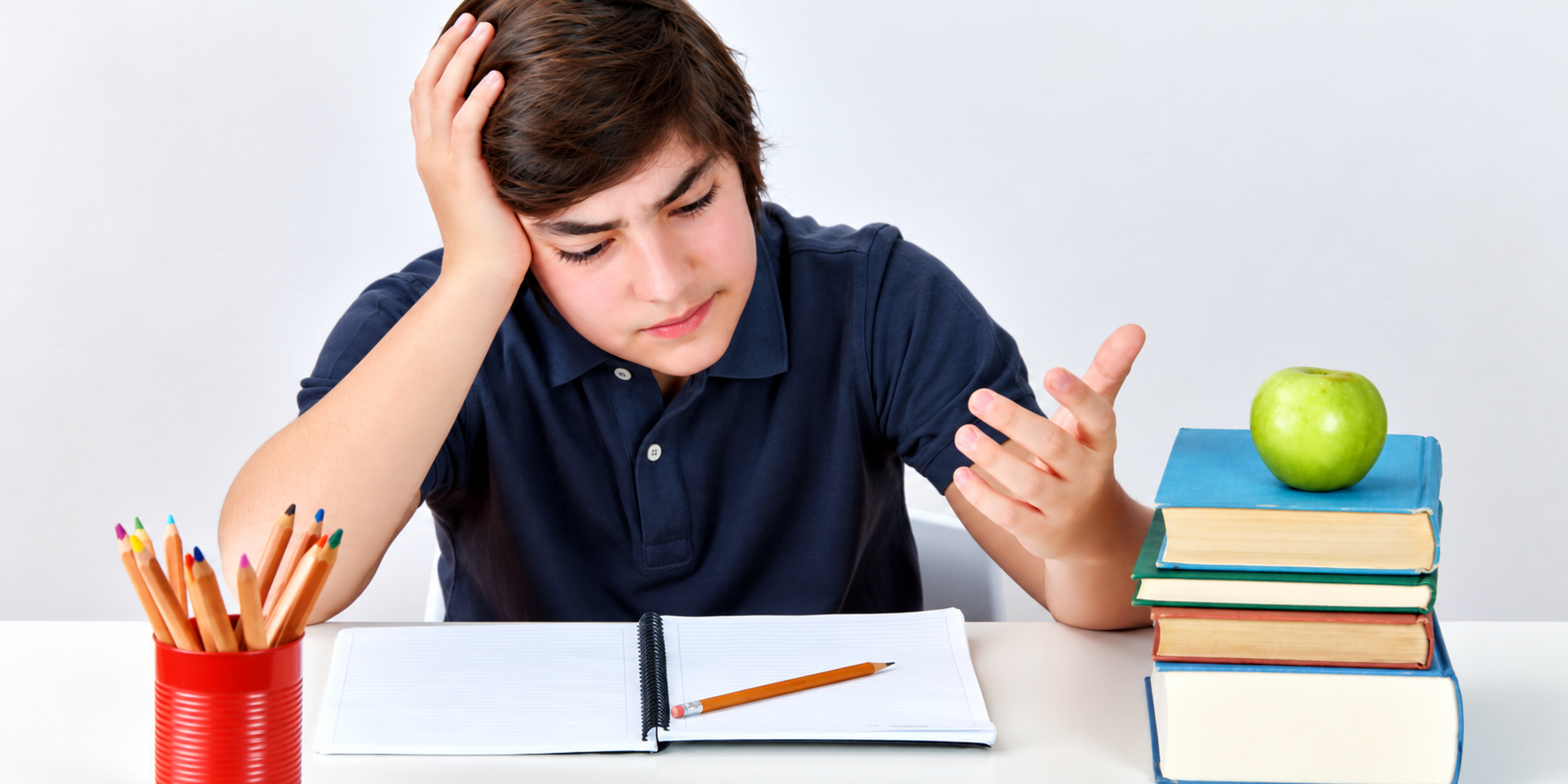
As parents, we can’t always prevent our teens from struggling with challenges, but we can help them cope and foster resilience by developing positive self-esteem. Teens who have low self-esteem are more likely to struggle with problems such as depression, social anxiety, eating disorders, and suicidal ideation.
Helping your teen develop positive self-esteem is an important part of good mental health and makes them feel more loved, valued, and supported. Read on to learn how to do this.
What is Self-Esteem?
Self-esteem refers to the way we think and feel about ourselves. It can cause us to feel good or bad about our strengths, needs, goals, and experiences. It also dictates whether we believe we are worthy or deserving of good things in life, such as love, friendship, and success.
Having positive self-esteem is not about being happy all the time, or always thinking you’re right, or the best. It’s about being kind to ourselves and allowing for grace even during moments of failure or challenges.
Examples of Positive Self-Esteem in Teens
Several examples of having high self-esteem in teens include:
- Believing they matter
- Feeling confident about their strengths
- Being proud of their achievements
- Able to handle criticism, rejection, or challenges
- Feeling confident to try new things
- Having a kind and understanding inner voice when things go wrong
- Feeling positive about their bodies and how they look
What Causes Low Self-Esteem in Teens?
Entering middle or high school, making new friends, and other life transitions can affect the self-esteem of teens. Bullying, cyberbullying, and experiencing childhood abuse are also some of the largest contributors to chronic low self-esteem in teens.
If teens have received negative messages in the past about themselves, either in person or online, they may internalize these. The types of messages that can damage self-esteem in teens include:
- Being criticized when they make mistakes
- Being called names like stupid, ugly, lazy, bad, weird, or naughty
- Being put under too much pressure to succeed and only being recognized when they achieve something
- Seeing images or hearing what a “beautiful” person is supposed to look like
Teens who are ostracized or suffer from discrimination based on their identity are at an increased risk of struggling with self-esteem issues. This includes teens with ADHD, autism, or learning disorders, black or minority youth, and teens who identify as part of the LGBTQ+ community [1].
Signs Your Teen is Struggling With Their Self-Esteem
Recognizing low self-esteem in your teen can help parents practice more patience, compassion, and active support to help boost their confidence.
Some of the signs your teen is struggling with their self-esteem include:
- Having an inherently negative image of themself.
- Lacking confidence in their abilities or qualities.
- Negative inner voice when things get difficult.
- Body image issues, feeling uncomfortable with how they look.
- Constantly comparing themselves to others in a negative way.
- Do not feel worthy or deserving of love, care, or being listened to.
- Making negative comments about their appearance or abilities.
- Feeling anxious when they have made a mistake.
- Isolation, social withdrawal.
- Self-harm, substance abuse, other risky or reckless behaviors.
- Mood swings, irritability, lack of motivation to participate in things.
There is strong evidence that shows how low self-esteem is a risk factor for mental health disorders, especially depression, anxiety, and eating disorders. High self-esteem, on the other hand, is a protective factor and can reduce the risk of mental health problems [2].
How To Help Your Teen Build Their Self-Esteem
As a parent, having conversations around self-esteem, body image, and mental health can feel challenging, but it’s a necessary part of supporting their development.
Parents play the most significant role in their teens’ identity formation and self-esteem [3]. Talking about how they are feeling, actively listening to them, and respecting their opinions can go a long way in helping build their confidence.
A few other ways to build self-esteem in teens include:
- Help them set and achieve goals: Saving money, getting exercise, and reading some chapters in a book.
- Encourage a growth mindset: “I’m proud of how hard you worked on this, no matter what grade you got.”
- Model positive self-talk: “That didn’t go as planned, but I’ll try again.”
- Encourage skill-building and new experiences: Join a new sport, club, learn a new language, or take a cooking class.
Helping Teens Build Confidence at Clearfork Academy in Texas
Clearfork Academy is a network of behavioral health facilities in Texas committed to helping teens recover from substance abuse disorders and co-occurring mental health challenges. We also provide education to families and communities to support the growth and development of teens.
Our family support services include therapy, skill-building workshops, and educational events to help parents and caregivers strengthen their relationships with youth to foster their success and emotional well-being. Contact our admissions team today.
Sources
[1] Murthy V. et al. (2022). The Mental Health of Minority and Marginalized Young People: An Opportunity for Action. Public health reports (Washington, D.C: 1974), 137(4), 613–616.
[2] Stenseng, F. et al. (2017). The role of self-esteem in the development of psychiatric problems: a three-year prospective study in a clinical sample of adolescents. Child and adolescent psychiatry and mental health, 11, 68.
[3] Berkman, T. (2018). The Development of Self and Identity in Adolescence: Neural Evidence and Implications for a Value-Based Choice Perspective on Motivated Behavior. Child development perspectives, 12(3), 158–164.