Key Takeaways
- Responding with calm rather than panic when you find out your teen is cutting sets the tone for every conversation that follows and directly affects their willingness to accept help.
- Working with your teen to develop a personal coping plan gives them alternative strategies to turn to when the urge to cut feels overwhelming, and doing this alongside a therapist makes it more effective.
- Ultimatums, constant monitoring, and punishment tend to increase shame and secrecy around self-harm, making the behavior harder to treat over time.
- DBT, CBT, and mindfulness-based therapies are the most widely used clinical approaches for adolescent self-harm, and the right level of care depends on frequency, severity, and co-occurring conditions.
- Clearfork Academy is a Christian-founded treatment center that helps adolescents who self-harm, with care levels from outpatient to residential, so families can move between programs as their teen’s needs change without switching providers.
Why Teens Engage in Cutting or Self-Harm
Cutting is a form of non-suicidal self-injury where a person deliberately cuts their skin to cope with overwhelming emotional pain. It is not a suicide attempt, though the two can be connected and both deserve serious attention. When emotions like shame, anger, sadness, or numbness become too intense, the physical pain of cutting creates a temporary sense of relief.
If you notice your teen is cutting, responding calmly makes a great difference in how willing they are to open up. Keeping communication open, building predictable routines, and helping them develop healthier coping strategies all contribute to the emotional safety they need to begin moving away from the behavior.
Home support alone isn’t always enough. When cutting persists or occurs alongside depression, anxiety, or trauma, a licensed clinician can assess what’s driving the behavior and determine which therapeutic approach fits your teen’s specific needs.
Clearfork Academy: Texas’ Teen Treatment Center for Drug, Alcohol & Mental Health
Detox, Residential, PHP, IOP & Virtual IOP | Christian-Founded | 9 Years Serving Families

Your Teen Doesn’t Have to Stay Stuck: Clearfork Academy guides teens aged 13–17 through every stage of crisis, from medically supervised detox to virtual outpatient, with gender-specific, faith-integrated care that keeps kids in school and supports families long after discharge. Within just one month, patients show measurable results.
What Sets Clearfork Apart:
✓ Full care continuum across 4 Texas locations, serving families nationwide
✓ Dual diagnosis treatment: mental health and substance use addressed together
✓ After 30 days: 57% reduction in cravings, 47% decrease in depression
✓ Lifelong alumni support, regardless of which program your teen completes
Recovery isn’t a destination; it’s a path. Let Clearfork walk it with your family.
How Parents Can Support a Teen Who Is Self-Harming
1. Learn Everything You Can About Self-Harm
Before you can help your teen, you need to understand what you are dealing with. Self-harm is a coping behavior, not a character flaw or a parenting failure. Teens who self-injure are struggling with emotional pain that has outgrown their current ability to manage it.
Understanding the difference between self-harm and suicidal behavior is also important. While self-harm is not the same as a suicide attempt, research does show an association between the two, meaning self-harm should never be minimized or ignored.
2. Respond Calmly & Focus on Emotional Safety
Your first reaction will likely be shock, fear, anger, or guilt. Those feelings are valid, but the conversation you have in those early moments matters enormously. A response driven by panic or anger can cause a teen to shut down, hide the behavior more carefully, or feel like a burden.
Let them know you’re not angry, that you love them, and want to understand what they’re going through. You don’t need to have all the answers in that first conversation. Simply saying “I’m not here to punish you, I just want to help” creates the kind of safety that makes a teen more likely to open up over time.
3. Encourage & Support Professional Treatment
Parental support is vital, but it’s not a substitute for professional mental health treatment. A qualified therapist can identify underlying conditions like depression or anxiety, teach specialized coping skills, and provide a neutral space where your teen can speak freely.
When looking for a therapist, ask if the provider has experience treating adolescent self-injury. Also, getting a teen to agree to therapy can take time. Frame it as something you are doing together, not something being done to them.

A teen who has some input in choosing their therapist is more likely to show up willing to talk.
4. Help Your Teen Build Healthier Coping Skills
Work with your teen, ideally alongside their therapist, to develop a personal coping plan. This is a set of alternative strategies your teen can turn to when the urge to cut feels overwhelming. The goal is not to eliminate difficult emotions. Instead, you want to give them more tools to ride them out safely.
5. Stay Supportive Without Over-controlling
Recovery from self-harm is not a straight line, and your teen will need consistent support over weeks and months. Check in regularly, but avoid making every conversation about cutting. Talk about their day, interests, and friendships.
Avoid the urge to monitor every move or strip away their privacy entirely. Searching their room obsessively or demanding to see their arms every day tends to increase shame and secrecy.
What Not to Do When a Teen Is Self-Harming
One of the most common mistakes is issuing an ultimatum, telling a teen to simply stop cutting or face consequences. This treats self-harm as a behavioral choice when it’s actually a coping mechanism for pain the teen doesn’t yet know how to handle any other way.
Excessive parental guilt doesn’t help either. While it’s worth reflecting on the emotional climate at home, spiraling into self-blame adds another layer of emotional weight to an already heavy situation.
It’s also worth knowing that self-harm can be contagious in social settings. If your teen’s friend group includes others who self-injure, or if they’re consuming content online that normalizes cutting, those are factors worth paying attention to. You don’t need to ban the internet, but having open conversations about what communities they’re engaging with is entirely reasonable.
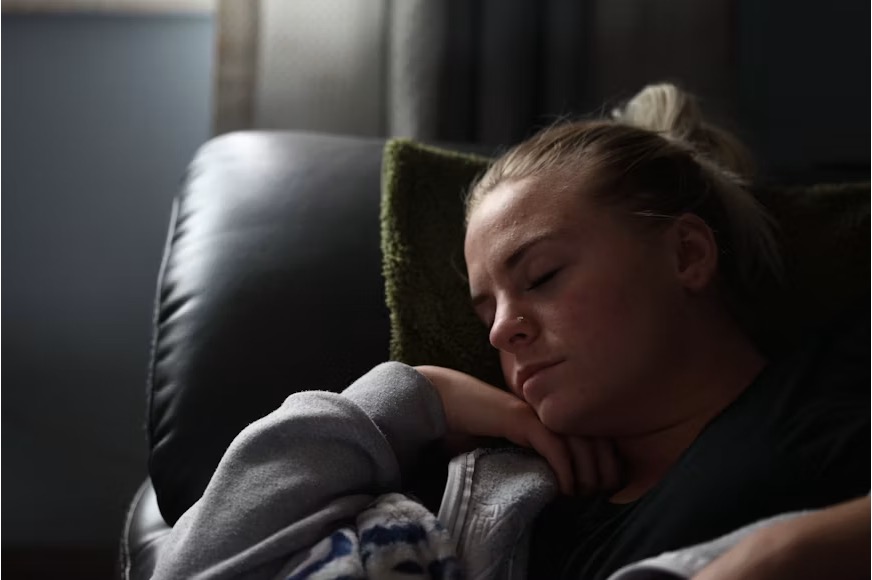
Reacting with ultimatums or expressing disgust can damage the trust your teen needs in order to heal.
Professional Treatment Options for Teens Who Self-Harm
Dialectical Behavior Therapy (DBT)
DBT is widely considered the leading treatment for self-harm because it directly targets emotional dysregulation. It teaches mindfulness, distress tolerance, emotion regulation, and interpersonal effectiveness. For teens, DBT is often delivered through a combination of individual sessions and skills-based group sessions, with a parent component to reinforce skills at home.
Cognitive Behavioral Therapy (CBT)
CBT helps teens identify the thought patterns and beliefs that fuel emotional distress and self-harm. Through structured sessions, teens learn to challenge distorted thinking, reframe difficult situations, and build more adaptive responses to emotional triggers. It’s highly practical and goal-oriented, making it a strong fit for teens who respond well to structured work.
Mindfulness-Based Therapies
Mindfulness-based approaches teach teens to observe their emotional experiences without immediately reacting to them. For teens who cut as a way to escape overwhelming feelings, learning to sit with discomfort in a safe, structured way can shift how they respond to emotional pain. These approaches are often used alongside DBT or CBT rather than as standalone treatments.
Available Levels of Care
The right level of care depends on how frequently the self-harm is occurring, whether co-occurring mental health conditions are present, and how much risk is involved:
- Outpatient therapy: weekly or bi-weekly individual sessions, typically the starting point when self-harm is not immediately life-threatening
- Intensive Outpatient Program (IOP): structured programming for several hours a day, multiple days a week, while the teen lives at home
- Partial Hospitalization Program (PHP): near full-day therapeutic programming without overnight stays
- Residential treatment: around-the-clock care for teens in acute crisis or whose safety is at serious risk
When self-harm is linked to an underlying condition like depression, anxiety, or PTSD, medication may be recommended alongside therapy to help stabilize mood while the teen builds coping skills.
Get Support for Your Teen at Clearfork Academy

Clearfork Academy treats self-harm in teens aged 13 to 17 using evidence-based therapies like DBT, CBT, and family therapy, with continuity of care from outpatient through residential treatment.
Cutting is how a teenager communicates pain they don’t yet have the words for. Treating the behavior alone won’t produce lasting change. What works is calm, consistent parental support paired with professional treatment that addresses the emotional root.
At Clearfork Academy, we treat self-harm in teenagers on gender-separate campuses where boys and girls receive care tailored to how they experience and express emotional pain. Every teen is matched to the level of care their situation requires, from outpatient programming that keeps them in school to residential treatment with 24-hour clinical support. Contact us at (888) 430-5149 or reach out to our team to talk about what your teen needs and how we can help.
Frequently Asked Questions (FAQs)
Is cutting always a suicide attempt?
No. Cutting is typically driven by a desire to manage emotional pain, not to end one’s life. However, there is a documented association between self-harm and suicidal ideation, so any teen who is self-harming should be evaluated by a mental health professional.
How long does it take for a teen to stop cutting?
There is no universal timeline. Some teens make significant progress within a few months of starting therapy, while others work through self-harm patterns over a year or longer, particularly when underlying mental health conditions are involved. Recovery is rarely linear, and relapses don’t mean treatment has failed.
Should I tell my teen’s school if they are cutting?
In many cases, involving the school counselor can be helpful since they’re trained in adolescent mental health and can provide support during the school day. However, doing this without your teen’s knowledge can seriously damage their trust in you. Wherever possible, have that conversation with your teen first and work toward the decision together.
Can a teen stop cutting without professional help?
In mild or very early cases, some teens do stop on their own, particularly when the underlying stressors resolve, and they have strong emotional support at home. But cutting tends to become more entrenched over time, and what starts as an occasional response can gradually become automatic and habitual. Even if your teen seems to be managing, a professional evaluation is worth pursuing.
What makes Clearfork Academy different from other treatment centers?
At Clearfork Academy, we’ve spent nearly a decade working specifically with teenagers who self-harm and the emotional conditions behind it, including depression, trauma, and anxiety. Boys and girls are treated on separate campuses, and families can move between outpatient, PHP, and residential care as their teen’s needs change, all within the same program. Every teen also has access to alumni support after completing treatment.
*Disclaimer: This content is for informational purposes only and is not a substitute for professional medical or addiction treatment advice. Consult a qualified professional for guidance. For more information, visit Clearfork Academy.

Austin Davis, LPC-S
Founder & CEO
Originally from the Saginaw, Eagle Mountain area, Austin Davis earned a Bachelor of Science in Pastoral Ministry from Lee University in Cleveland, TN and a Master of Arts in Counseling from The Church of God Theological Seminary. He then went on to become a Licensed Professional Counselor-Supervisor in the State of Texas. Austin’s professional history includes both local church ministry and clinical counseling. At a young age, he began serving youth at the local church in various capacities which led to clinical training and education. Austin gained a vast knowledge of mental health disorders while working in state and public mental health hospitals. This is where he was exposed to almost every type of diagnosis and carries this experience into the daily treatment.
Austin’s longtime passion is Clearfork Academy, a christ-centered residential facility focused on mental health and substance abuse. He finds joy and fulfillment working with “difficult” clients that challenge his heart and clinical skill set. It is his hope and desire that each resident that passes through Clearfork Academy will be one step closer to their created design. Austin’s greatest pleasures in life are being a husband to his wife, and a father to his growing children. He serves at his local church by playing guitar, speaking and helping with tech arts. Austin also enjoys being physically active, reading, woodworking, and music.