Polysubstance use occurs when two or more drugs are active in the body at the same time. The combination can slow breathing, strain the heart, impair judgment, or hide signs of overdose. A teen may believe the substances were taken far enough apart to be safe, but their effects can still overlap and become dangerous without warning.
What Is Polysubstance Use?
Polysubstance use means taking two or more substances close enough together that their effects overlap in the body. This may involve alcohol, prescription medications, opioids, stimulants, cannabis, inhalants, or other drugs.
The substances do not have to be taken at the exact same time. A teen might use a stimulant earlier in the day, drink alcohol later, and then take a sedative to sleep. Even hours apart, those substances may still interact and create unpredictable effects on breathing, heart rate, coordination, judgment, and consciousness.

Polysubstance Use Is Not Always a Planned Combination
Some teens deliberately combine substances because they want a different effect. They may drink alcohol after taking a stimulant because they want to relax or use a sedative later because they cannot sleep.
Other combinations happen with little planning. A teen may take their prescribed medication, drink at a party, and then accept a pill from a friend. They may not view the prescription as a drug or realize that the earlier substance is still affecting them.
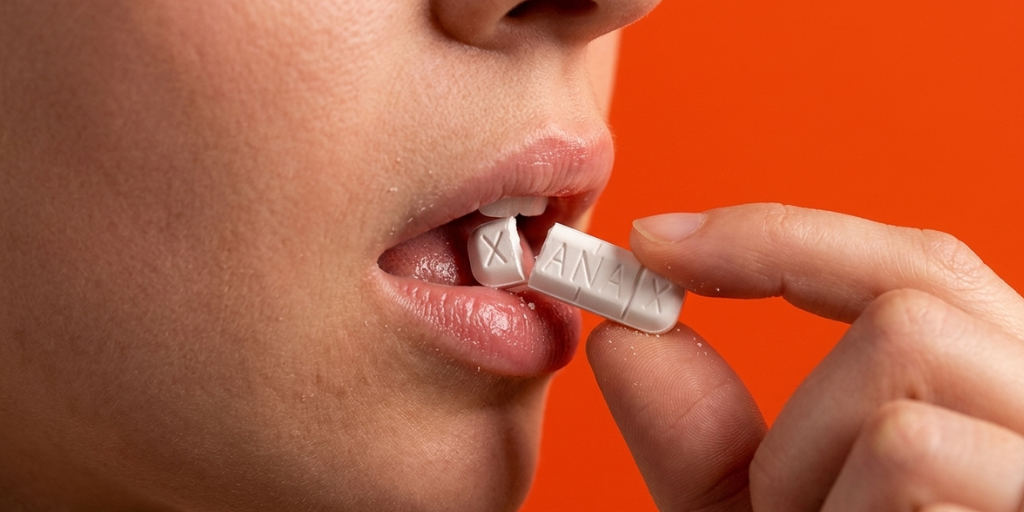
Polysubstance exposure can also happen without the teen’s knowledge. Counterfeit pills made to resemble medications such as oxycodone or Xanax may contain fentanyl, illicit benzodiazepines, or another unexpected substance. The tablet’s color, shape, or imprint cannot confirm what is actually inside it.
This is why “I only took one pill” does not always describe the true exposure.
The Body Does Not Separate the Night Into Individual Decisions
Substances leave the body at different rates. Waiting an hour or two before taking something else does not guarantee that the first drug is gone. Imagine a teen who takes a stimulant before going out. At the party, they drink but do not feel as tired or impaired as expected. They assume the stimulant is keeping them sober and continue drinking.
Later, the stimulant wears down, but the alcohol has not disappeared. If the teen then takes an opioid, Xanax, or a sleep medication, sedation can deepen quickly.
The stimulant did not remove the alcohol. It changed how the teen experienced it. That difference matters. A person can feel alert while still having poor judgment, impaired coordination, a high blood alcohol level, or another drug suppressing their breathing.
“Uppers” and “Downers” Do Not Balance Each Other
One of the most dangerous beliefs around polysubstance use is that opposite drugs cancel each other out. They do not. A stimulant may increase heart rate, blood pressure, body temperature, and alertness. A depressant may slow brain activity and breathing. When both are present, the body is not returned to normal. Instead, separate systems may be placed under stress at the same time.
The more energetic effect of a stimulant can also hide warning signs of sedation. A teen may take more of an opioid, alcohol, or another depressant because they do not yet feel as sleepy as expected.
When the stimulant effect weakens, the depressant effect may become much more noticeable. The person can move from appearing awake to becoming confused, difficult to wake, or unable to breathe normally.
The CDC specifically warns that stimulants and depressants do not cancel one another and that one drug may mask the effects of the other, increasing overdose risk.
Some Drug Combinations Are Particularly Dangerous
Alcohol may feel familiar, which can make its role in polysubstance use easy to underestimate.
However, alcohol is itself a central nervous system depressant. Combining it with opioids, benzodiazepines, or sedating medications may cause extreme drowsiness, memory loss, vomiting, poor coordination, and slowed breathing.
Opioids and benzodiazepines are especially concerning because both can suppress breathing. NIDA reports that using opioids with benzodiazepines, alcohol, or other central nervous system depressants increases the risk of a life-threatening overdose.
Stimulant combinations can also be dangerous. Using cocaine, methamphetamine, MDMA, or non-prescribed ADHD medication together can place additional pressure on the heart and increase the risk of overheating, agitation, abnormal heart rhythms, or other serious complications.
There is no reliably safe formula for mixing substances. The outcome can change with the amount taken, timing, product strength, underlying health, hydration, sleep deprivation, and unknown ingredients.
The Pattern May Be More Revealing Than the Paraphernalia
Families are often told to search for bottles, powders, pill containers, or unfamiliar packaging. Those items may identify a substance, but they do not explain how the substances are being used together. The pattern can be more informative.
A teen may use one substance to correct the effects of another. They take a stimulant to overcome exhaustion, alcohol to soften anxiety, and a sedative to force sleep. The next morning, they may reach for another stimulant to function.
At that point, the teen is not only using substances to change how they feel. They are also using them to manage the aftereffects of previous use.
Parents may notice sharp transitions that do not fit one substance: intense energy followed by unusual sleepiness, agitation followed by poor coordination, or a teen who appears alert but cannot remember what happened.
These changes do not prove polysubstance use. Mental health conditions, sleep deprivation, illness, or a medication reaction can look similar. They do, however, justify asking about the full day rather than focusing on one moment.
Is Polysubstance Use Disorder a Diagnosis?
“Polysubstance use” describes a pattern of exposure. It is not usually treated as one single substance diagnosis. A clinician evaluates each substance involved and determines whether the teen meets the criteria for an alcohol, opioid, stimulant, cannabis, sedative, or other substance use disorder. The assessment also looks at why each substance is being used.
One drug may help the teen feel confident socially. Another may help them stay awake. A third may be used to sleep or avoid withdrawal. Treating only the substance that caused the latest crisis can leave the rest of the cycle unchanged.
An adolescent assessment should also consider depression, anxiety, trauma, ADHD, self-harm, family stress, school functioning, and access to prescription medication. SAMHSA recommends developmentally appropriate screening that considers the factors contributing to a teen’s substance use rather than examining the drug use in isolation.

Why Stopping Several Substances Can Be Medically Complicated
Withdrawal is not always straightforward when more than one substance is involved. A teen may feel exhausted and depressed as a stimulant wears off while also developing shaking, anxiety, nausea, or sleep disruption from another substance. Symptoms may begin at different times and can change quickly.
Alcohol and benzodiazepine withdrawal require particular caution because severe withdrawal may involve seizures and other life-threatening complications. Opioid withdrawal is generally less likely to be fatal by itself, but vomiting, diarrhea, dehydration, intense cravings, relapse, and reduced tolerance can still create serious risks.
Parents should not use an online detox schedule or give the teen medication prescribed to another person. A medical assessment is especially important when the teen uses alcohol or benzodiazepines regularly, may have taken an opioid or counterfeit pill, has experienced seizures, cannot stop using, or becomes physically unwell when substances are unavailable.
What to Do When You Do Not Know What Was Taken
When a teen is awake and able to speak, begin with facts rather than punishment. Ask what they took, when they took it, where it came from, and whether any alcohol, prescriptions, over-the-counter medication, or other drugs were involved. Keep the packaging or take clear photographs of it. Do not assume a teen is safe because they are still talking.
Call 911 immediately if the teen cannot be awakened, is not breathing normally, has blue or gray lips, collapses, or has a seizure. If an opioid may be involved, give naloxone if it is available and stay with the teen until emergency responders arrive. The CDC advises treating an uncertain situation like an overdose rather than waiting for proof.
For a suspected exposure when the teen is awake and breathing, call Poison Help at 1-800-222-1222. Poison specialists can assess the product, timing, symptoms, age, and weight and explain the safest next step. Do not wait for symptoms before calling.
Treatment for Polysubstance Use at Clearfork Academy
A teen using several substances does not necessarily need the most restrictive form of treatment. They do need an assessment that considers the entire pattern. Treatment may need to address withdrawal, cravings, emotional regulation, sleep, trauma, anxiety, depression, family communication, and the function each substance has taken on.
Clearfork Academy provides substance use and mental health treatment for teens ages 13–17. Depending on the clinical assessment, care may include medical stabilization, residential treatment, partial hospitalization, intensive outpatient treatment, family involvement, and support for co-occurring mental health conditions.
The goal is not simply to stop the latest drug. It is to understand the sequence that keeps bringing the teen back to substance use and help them build a safer way to manage what happens before, during, and after the urge to use.
This article is for educational purposes and does not replace medical advice, Poison Help guidance, diagnosis, or emergency care.

Mike Carter, LCDC
Alumni Relations Manager
Mike grew up on a dairy farm in Parker County, Texas. At the age of 59, he went back to college and graduated 41 years after his first graduation from Weatherford College. God placed on his heart at that time the passion to begin to help others as they walked from addictions, alcoholism, and abuse of substances. He is a Licensed Chemical Dependency Counselor and in the past few years he has worn many hats, from intake and assessment, group counseling, individual and family counseling, intensive outpatient and now he is working with clients, therapist, and families on discharge planning and aftercare. He also coordinates our Alumni Outreach Program.